

• NAD+ IV therapy delivers a key cellular coenzyme directly into the bloodstream, supporting energy production and metabolic function.
• Clinical supervision matters, especially for dosing, infusion speed, and patient safety.
• NAD+ cost in Bangkok varies widely, depending on dosage, clinic standards, and level of medical oversight.
• H.U.M. Clinic provides doctor-led NAD+ IV therapy in Bangkok, with structured protocols, screening, and follow-up care.
Table of contents
What Is NAD+ IV Therapy?
NAD+ (nicotinamide adenine dinucleotide) is a coenzyme derived from vitamin B3. It exists in every cell and plays a central role in how your body produces energy and repairs cellular damage. An NAD+ IV infusion delivers this compound directly into the bloodstream. This bypasses digestion and provides higher systemic availability than oral supplements.
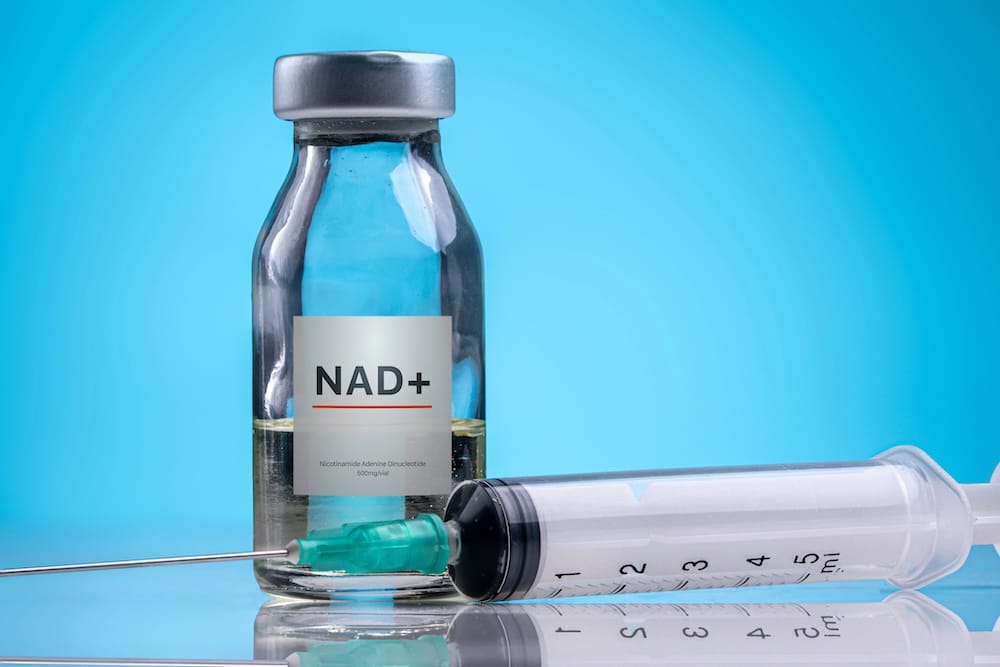
What NAD+ does in the body:
- Supports mitochondrial energy production
- Plays a role in DNA repair pathways
- Contributes to cellular metabolism
- Involved in neurological signaling
IV infusion delivery is used for faster absorption compared to oral forms. It also offers more consistent dosing when conducted under medical supervision, and the infusion rate can be adjusted based on the patient’s response. A typical NAD+ IV session at our Bangkok clinic takes about 60 to 120 minutes, depending on the dose and patient tolerance.
Key Benefits of NAD+ IV Drip Therapy
NAD+ IV therapy is offered for a range of wellness outcomes, including:
Energy and fatigue support – NAD+ is central to ATP production, the process that generates cellular energy
Cognitive support – Some patients report improved focus and mental clarity
Cellular repair and aging support – NAD+ is involved in pathways linked to DNA repair and cellular maintenance
Metabolic function – May support metabolic processes when combined with broader lifestyle interventions
Recovery support – NAD+ IV infusion is used in some clinical settings for stress recovery and fatigue management
(It is important to note that while the biological role of NAD+ is well established, the clinical evidence specific to NAD+ IV infusion outcomes in humans remains limited and is still evolving. Treatment should be viewed as supportive, not curative.)

How a NAD+ IV Therapy Session Works at H.U.M. Clinic in Bangkok
A structured NAD+ IV infusion therapy session follows a clear clinical process.
Consultation and Screening – Before starting, the patient’s medical history is reviewed, and current medications are assessed to determine suitability and dosing.
During the Infusion – An IV line is placed in the arm. The NAD+ IV infusion is administered slowly over 1–2 hours. Vital signs are monitored throughout, and the infusion speed may be adjusted to improve comfort. Some patients feel mild discomfort if the infusion runs too quickly. This is usually managed by slowing the drip.
After the Session – Most patients return to normal activities immediately. However, some may feel briefly tired or lightheaded.
How Many NAD+ IV Therapy Sessions Are Needed?
Protocols vary for every patient. Doctors may recommend a series of sessions, often 5 to 10, depending on the intended outcome and baseline health status.
Is NAD+ IV Therapy Safe?
When delivered in a clinical setting, NAD+ IV therapy is generally well tolerated. However, it is not totally risk-free. Mild possible side effects may include nausea, flushing, chest tightness, and dizziness. These effects are often linked to infusion speed and usually resolve when the infusion speed is adjusted.
Pregnant or breastfeeding individuals, patients with heart, liver, or kidney conditions, and those taking multiple prescription medications must have a proper consultation with a doctor before undergoing NAD+ IV infusion therapy in Bangkok.
Who Is a Good Candidate for NAD+ IV Therapy?
NAD+ IV therapy may be considered for:
• Adults experiencing fatigue or low energy
• Individuals under high physical or mental stress
• Those interested in long-term cellular health support
• Patients working under structured medical programs
This therapy is not a cure. It supports physiological processes that may influence how you feel and function.
NAD+ IV Cost in Bangkok: What to Expect
The cost of NAD+ IV therapy in Bangkok varies depending on several factors, including the dosage per session, the addition of additional nutrients or antioxidants to the drip, the level of medical supervision, and the clinic’s standards and location.
How to Choose a NAD+ IV Clinic in Bangkok
Choosing a NAD+ IV provider in Bangkok should not be based solely on price. Consider the clinic’s reputation and the service quality it offers. Does the clinic offer medical screening before treatment, pharmaceutical-grade NAD+ sourcing, and post-session monitoring and follow-up? Look for a clinic that offers a doctor-led consultation before treatment, who can provide a clearer explanation of dosing and risks.
Why Choose H.U.M. Clinic for NAD+ IV in Bangkok
At H.U.M. Clinic, our physician-supervised treatments are tailored to each patient’s clinical data and needs. Our experienced English-speaking medical team is well-trained to provide world-class safety standards and NAD+ IV infusion treatment that is structured, medically supervised, and individualized.
To book your NAD+ IV consultation in Bangkok, contact H.U.M. Clinic via LINE, WhatsApp, phone at 098 983 2949, or email at [email protected]
Frequently Asked Questions About NAD+ IV Infusion Therapy in Bangkok
Q: How long does a NAD+ IV infusion therapy session take at H.U.M. Clinic?
A: Most sessions take between one and two hours, depending on the dose and how your body responds to the infusion rate.
Q: How many NAD+ IV therapy sessions do I need at H.U.M. Clinic?
A: This depends on your goals and baseline health. Some patients undergo a series of 5 to 10 sessions for cumulative effects.
Q: What does NAD+ IV infusion therapy feel like?
A: Some patients feel relaxed or more alert after treatment. If the infusion runs too quickly, temporary nausea or discomfort may occur, which can be managed by adjusting the drip.

Wichakorn Jitpraphun, M.D. (Dr. Kamin) is the Co-founder and Medical Director of H.U.M. Clinic, Bangkok. A physician licensed by the Medical Council of Thailand (License No. 51754), he has over 10 years of clinical experience, practicing since 2016. Dr. Kamin holds Certificate Diplomas in Sexual Medicine and Sexology from Thammasat University and Andrology certification from the Society of Men’s Health Singapore. His clinical practice focuses on testosterone replacement therapy (TRT), Men’s health, sexual medicine, HIV prevention and treatment, peptide therapy, and evidence-based medical weight management.