

Key Takeaway
- Genital warts come from low-risk strains of HPV, most commonly types 6 and 11, and freezing treatment targets the wart tissue rather than curing the underlying virus.
- Cryotherapy is the broad term for any cold-based treatment, while cryosurgery refers specifically to the surgical use of extreme cold, most often liquid nitrogen, to destroy abnormal tissue like a wart.
- Pain during the procedure is close to universal, and temporary lightening of the treated skin is a fairly common side effect, though scarring is uncommon when the procedure is done correctly.
- Treatment typically starts with the smallest number of sessions needed for the number and size of lesions present, with follow-up visits priced lower than the initial one.
- H.U.M. Clinic offers accessible cryosurgery treatment for wart removal, providing expert professional care.
Table of contents
Genital warts come from low-risk strains of HPV, most often types 6 and 11, which together account for about 90% of cases. There is no cure for the virus itself, but the warts it causes can be treated, and cryosurgery is one of the most established ways doctors do it.
Cryotherapy for wart removal at H.U.M. Clinic, a leading Sexual health clinic in Bangkok, effectively treats external genital warts caused by HPV. These warts are a common STI (sexually transmitted infection). Cryosurgery provides a safe, efficient solution to remove external genital warts through freezing, helping patients manage the symptoms of this common STD.
Genital Warts Symptoms to Recognize
Genital warts are usually small, rough lumps that can appear alone or in a cluster that looks a bit like cauliflower. They show up around the vagina, on the penis, around the anus, or on the skin between the genitals and anus, and can be white, red, skin-colored, or darker than the surrounding skin.
Most of the time, genital warts do not cause any other symptoms. When they do, it is usually itching, occasional bleeding, discomfort during sex, or trouble urinating. Warts can also take weeks or months to show up after exposure, so there is often a gap between infection and noticing anything at all.
Cryotherapy vs. Cryosurgery: What Is the Difference?
Cryotherapy is a broad term often used to describe any treatment that involves cold temperatures. Cryosurgery is a more specific surgical procedure that employs extreme cold to remove abnormal or diseased tissue. It uses the intense cold of liquid nitrogen to freeze and destroy wart tissue through Cryonecrosis. It targets the HPV virus and affected cells, forming an “ice ball” around the wart to ensure deep, effective cold penetration.
- Cryonecrosis: Utilizes liquid nitrogen to freeze and destroy wart tissue.
- Targeted Action: Aims at both the wart-causing virus and infected cells.
- Deep Penetration: The “ice ball” formation ensures the cold reaches deep enough to be effective.
How Does Wart Cryotherapy Work?
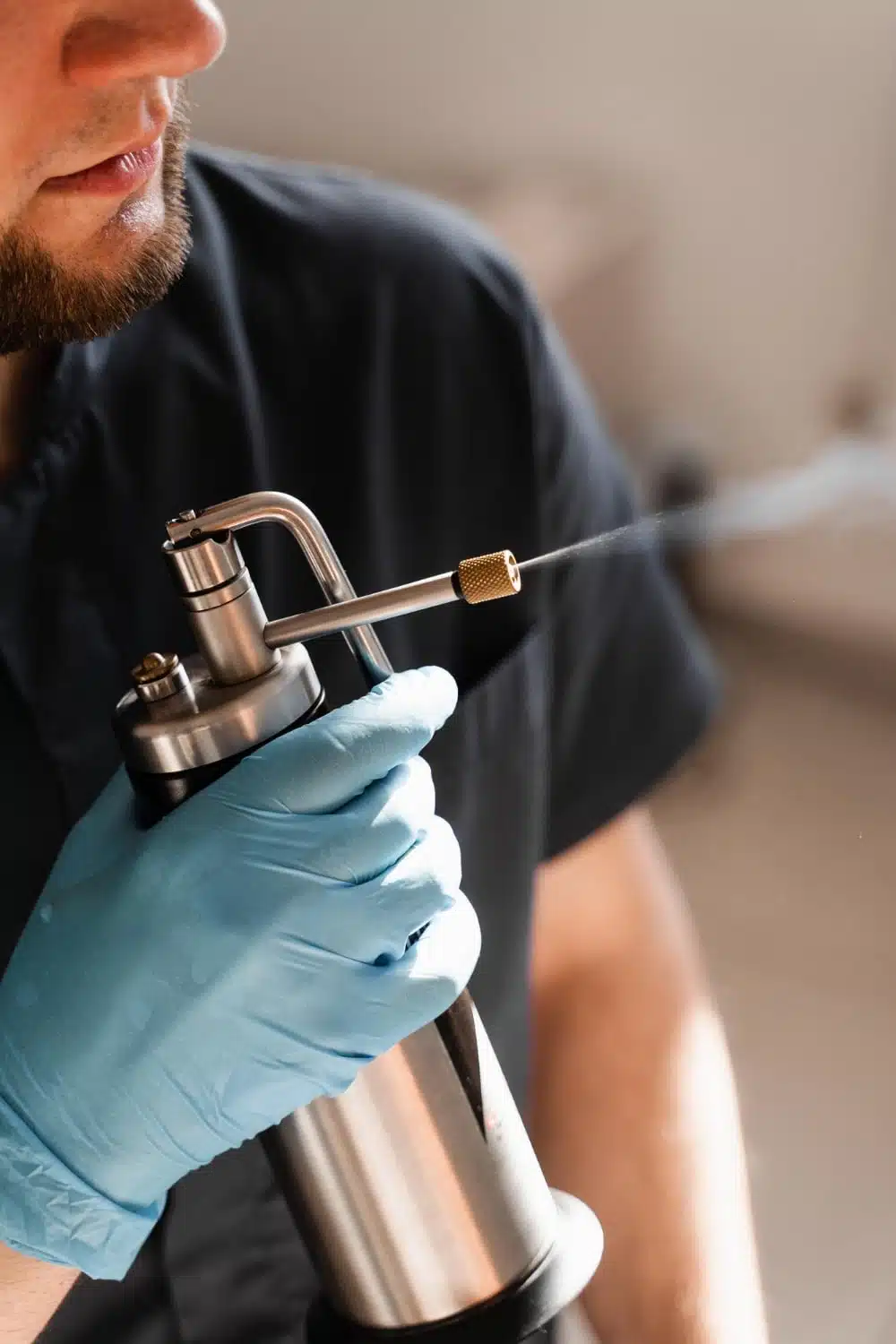
Cryosurgery’s efficacy stems from its use of extreme cold to induce ice crystal formation within cells, a process that ultimately causes cellular damage and death. A doctor applies liquid nitrogen directly to the wart, either with a spray device or a probe, cooling the tissue until an “ice ball” forms around it. That ice ball needs to reach a certain depth, since destroying only the surface layer would not clear the wart underneath it. Many protocols use two freeze-thaw cycles per session, allowing the area to thaw briefly before refreezing, which improves the thoroughness of tissue destruction.
This approach is especially adept at removing warts, as it focuses on eradicating virus-infected cells while sparing the surrounding healthy tissue from harm. The specificity of this treatment allows for precise targeting of the wart without extensive damage to the surrounding area.
- Cell Damage: Ice crystals lead to cellular damage and subsequent cell death.
- Specific Targeting: Focuses on destroying virus-infected cells.
- Minimal Collateral Damage: Healthy surrounding tissue remains largely unaffected.
Cryosurgery Is Used for Which Kind of Warts?
Cryosurgery is popular for its adaptability, offering effective treatment across a spectrum of wart types and locations.
- Genital Warts: Cryotherapy targets warts in sensitive areas, including the labia, penis, pubic area, and the area around the anus.
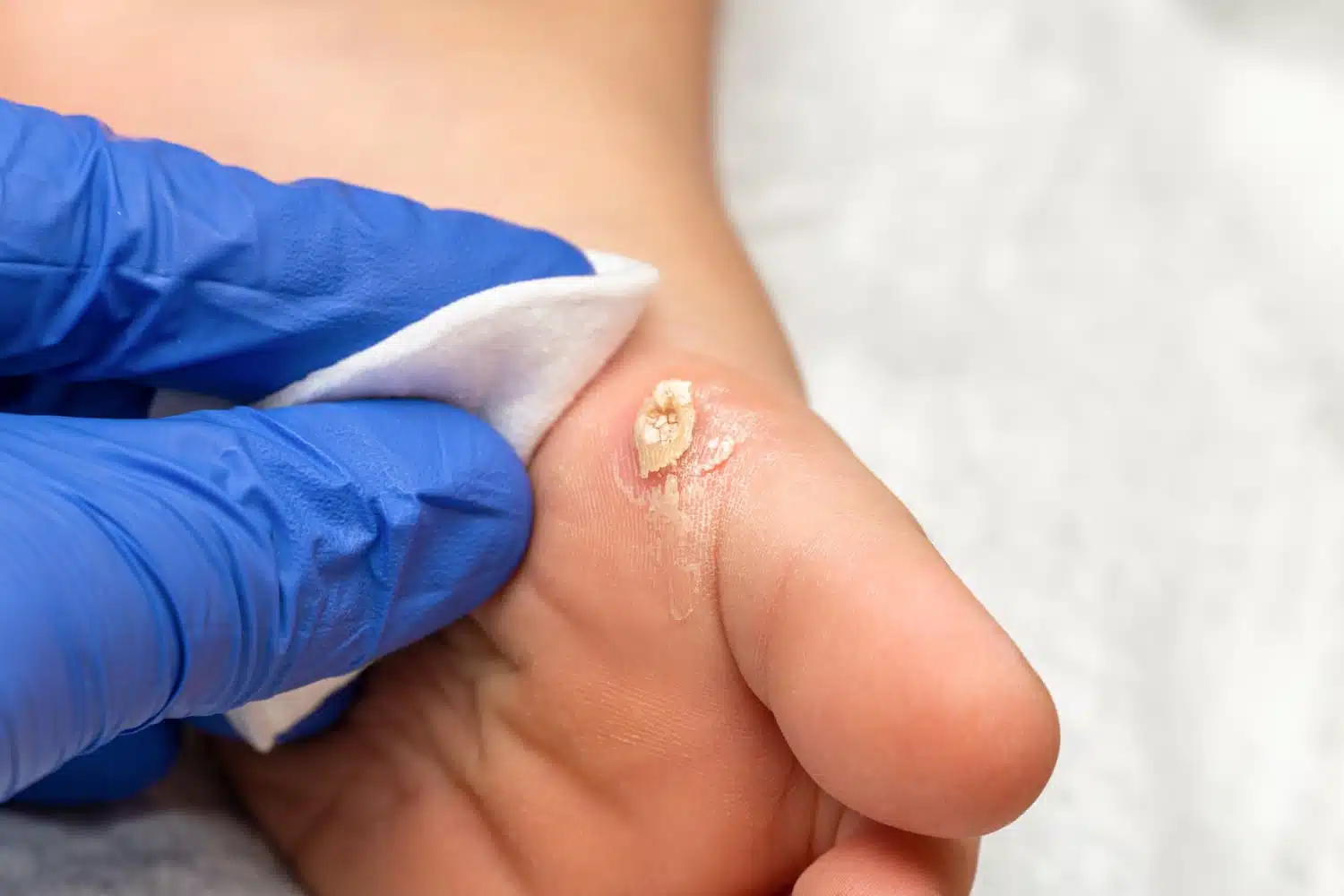
- Common Warts: Effectively treats warts on the hands, feet, and groin, addressing these prevalent concerns with precision. However, treating warts in other areas, apart from genital warts, Cryotherapy is considered more painful and takes multiple sessions.
What Is the Price for Cryosurgery?
The cost of Cryosurgery in Thailand varies depending on the options chosen. At HUM Clinic, we strive to offer effective treatments at competitive rates, within reach of a broad audience.
- Private Hospitals: Costs may vary depending on each hospital’s unique pricing structure, which typically includes the Hospital Fee, Doctor Fee, Cryosurgery Fee, and other fees.
- Private Clinics: Typically offer Cryosurgery at more competitive rates than larger hospitals.
Getting Cryosurgery for wart treatment at H.U.M. Clinic starts from 3,500 THB to 7,500 THB on the first session, depending on the number of lesions. If the lesions are large or multiple, a subsequent follow-up visit may be required. The follow-up session costs 1,500 THB per session.
How Effective Is Cryosurgery as a Wart Treatment?
Cryosurgery has a high success rate in eliminating warts, especially external genital warts. Cryotherapy via freezing addresses the immediate concern and helps ensure wart-free skin.
- First-Visit Effectiveness: A significant majority, approximately 80% of patients, experience successful wart removal from the initial treatment.
- Subsequent Treatments: Further sessions may be required to ensure the total elimination of the wart
Side Effects and Recovery After Wart Cryotherapy
Pain during the freeze itself is usually the main complaint of patients treated with cryotherapy for genital warts. There may be temporary lightening of the skin at the treatment site, with no blistering, ulceration, or scarring.
In the days after treatment, expect some redness, mild swelling, and possibly a blister or scab as the area heals. Keep the area clean and dry; avoid picking at any scab that forms; and hold off on sexual activity until your doctor confirms the area has healed. Most people return to normal daily activities right away, even if the treated spot remains tender for a few days.
Why Get Cryosurgery at H.U.M. Clinic
At H.U.M. Clinic, our dedicated approach to Cryosurgery combines precision and expertise, ensuring optimal outcomes for our patients. Our commitment to quality care is evident in every aspect of the treatment process.
We utilize certified equipment, such as advanced liquid nitrogen guns called CryoPro® to ensure the safety and efficacy of our Cryosurgery services. Having treated hundreds of cases, our medical team excels in delivering precise treatments through targeted Cryosurgery, effectively treating warts while safeguarding the health of the surrounding skin.
At H.U.M. Clinic, we strive to make care and advanced Cryosurgery accessible through competitive pricing, prioritizing quality and patient satisfaction. Contact us to book an appointment.
Frequently Asked Questions About Cryotherapy for Warts
Q: What are genital warts?
A: Genital warts are small growths caused by certain low-risk strains of HPV, most commonly types 6 and 11. They appear on or around the genitals and are considered a common sexually transmitted infection.
Q: What is the difference between cryotherapy and cryosurgery?
A: Cryotherapy is the general term for any treatment using cold temperatures. Cryosurgery is a specific medical procedure that uses extreme cold, typically liquid nitrogen, to destroy targeted tissue like a wart. In the context of wart removal, the two terms describe the same treatment.
Q: What happens during a genital warts freezing procedure?
A: A doctor applies liquid nitrogen directly to each wart until an ice ball forms, often repeating the freeze in two cycles per session. Most patients feel a sharp, cold sensation during the freeze that fades soon after treatment ends.
Q: What are the side effects of cryotherapy for genital warts?
A: Pain during the procedure is nearly universal, and temporary lightening of the treated skin is fairly common. Blistering or scabbing can occur as the area heals, but scarring is uncommon when the treatment is done correctly.
Q: How much does cryosurgery cost at H.U.M. Clinic?
A: The first session starts from 3,500 to 7,500 THB, depending on the number of lesions treated. Follow-up sessions, if needed, cost 1,500 THB each.

Provides diverse medical services, specializing in male hormone treatment, sexual health, and general practice care. He is dedicated to delivering comprehensive care for international patients, addressing physical, emotional, and mental health needs.