

Key Takeaways
- Stem cell therapy uses mesenchymal stem cells (MSCs) to support tissue repair, regulate inflammation, and improve the cellular environment through signaling mechanisms rather than directly replacing tissue.
- Treatments can be delivered systemically via IV therapy or locally through targeted injections, depending on medical evaluation and treatment goals.
- Safety and effectiveness depend heavily on cell quality, laboratory standards, physician supervision, and individualized treatment protocols.
H.U.M. Clinic offers stem cell therapy in Bangkok, Thailand, through a physician-led program focused on medical screening, laboratory quality standards, and individualized treatment protocols.
Our treatments utilize umbilical cord–derived mesenchymal stem cells (MSC) produced in ISO-standard laboratories with strict quality verification before clinical use. Stem cells are studied for their ability to support tissue repair, regulate inflammation, and release regenerative signaling molecules that may help improve the cellular environment for healing. Depending on medical evaluation, treatments may include IV stem cell therapy for systemic regenerative support or targeted injections for specific conditions.
This guide explains how stem cell therapy works, the types of treatments available, who may be suitable for treatment, and what patients should know before receiving a stem cell injection in Bangkok.
What Is Stem Cell Therapy?
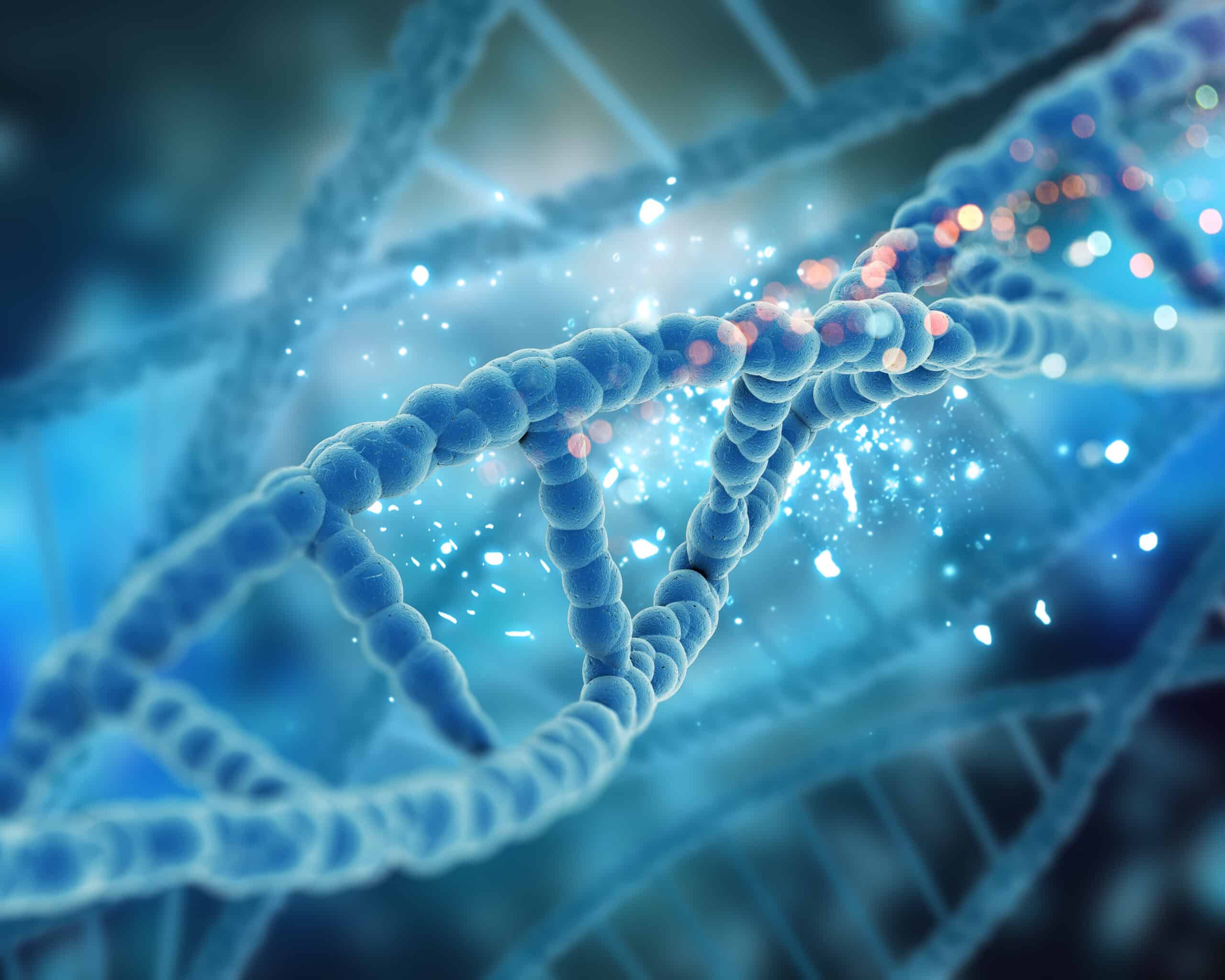
One of the most widely studied cell types used in regenerative medicine is the mesenchymal stem cell (MSC). MSCs can be derived from several tissue sources, including umbilical cord tissue, bone marrow, and adipose tissue. Umbilical cord–derived MSCs are commonly used in clinical regenerative programs because they demonstrate strong biological activity and immunomodulatory properties.
Rather than directly replacing damaged tissue, MSCs primarily work through paracrine signaling—the release of cytokines, growth factors, and other signaling molecules that help regulate inflammation and support tissue regeneration.
Because of these biological properties, stem cell therapy continues to be studied in fields such as orthopedic medicine, regenerative dermatology, and longevity-focused wellness programs.
What Conditions Can Stem Cell Therapy Help With?
For clarity, stem cell therapy is often divided into two categories: systemic regenerative support through IV therapy and targeted regenerative applications through local injections.
| IV Stem Cell Therapy | Local Stem Cell Injection | |
|---|---|---|
| Delivery method | Intravenous infusion | Direct injection to the target site |
| Primary purpose | Systemic regenerative support and inflammation regulation | Targeted tissue repair in a specific joint, area, or organ |
| Common applications | General longevity, anti-aging support, and systemic inflammation | Joint degeneration, penile tissue, and facial rejuvenation |
| Session duration | 90 to 120 minutes | 30 to 60 minutes, depending on the site |
| Recovery | No downtime. Light activity recommended for 24 to 48 hours | Varies by injection site. Joint injections may require a 24-hour rest |
| Follow-up | Single session or repeat at physician’s discretion | Typically one to three sessions, depending on the condition |
| Physician oversight | Physician and nurse present throughout the infusion | Performed by a specialist physician, often with imaging guidance |
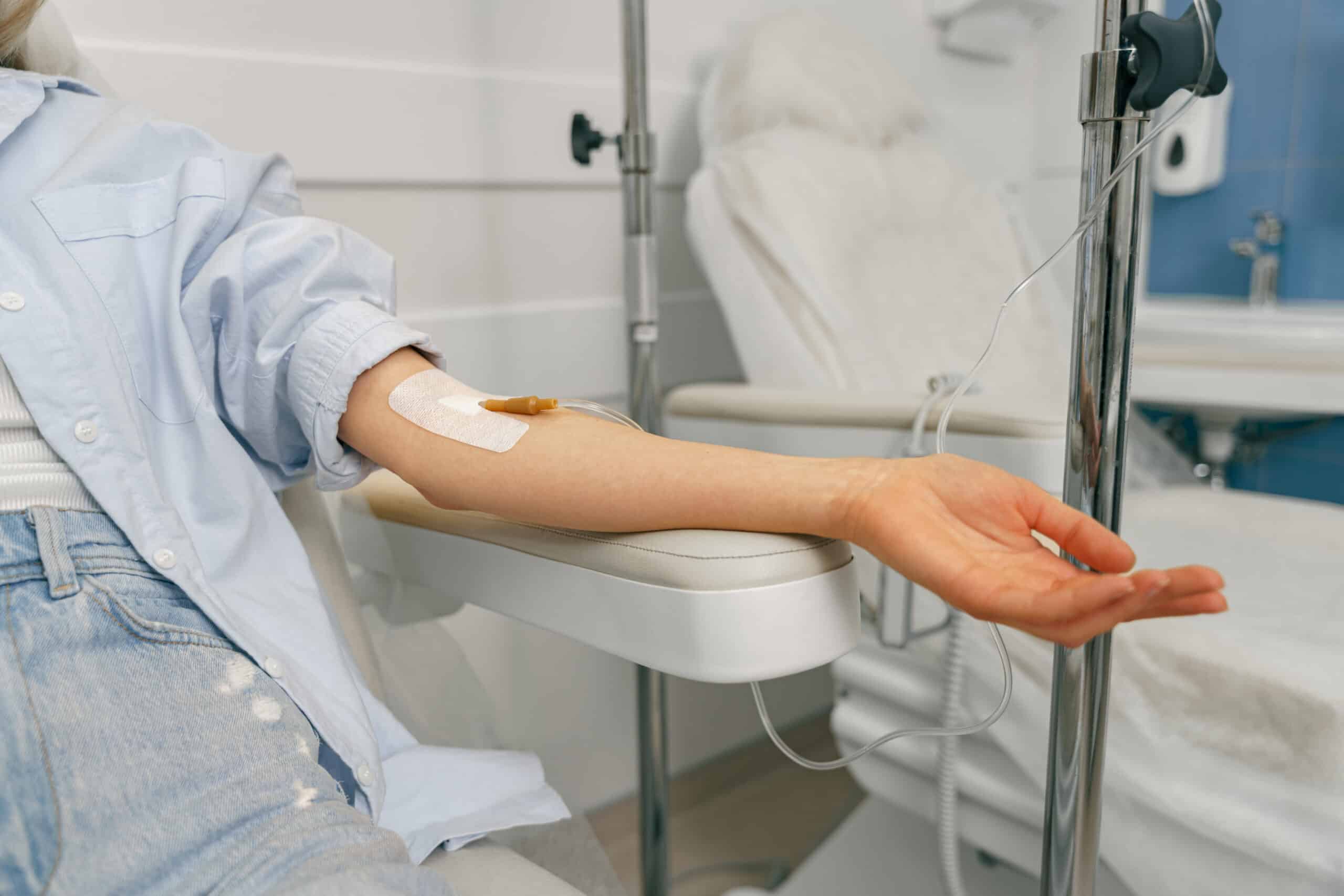
IV Stem Cell Therapy in Bangkok for Whole-Body Regenerative Support
Several biological mechanisms have been observed in MSC research.
Immunomodulation
Mesenchymal stem cells are known for their ability to regulate immune responses and help reduce excessive inflammation. This immunomodulatory property is one of the most widely studied aspects of MSC therapy.
Paracrine Signaling
MSCs release cytokines, growth factors, and extracellular vesicles that support tissue repair and cellular communication. These signaling molecules can help improve the environment around damaged tissues.
Angiogenesis Support
Stem cells may promote the formation of new blood vessels, improving circulation and supporting tissue recovery.
Cell Differentiation Potential
Under certain conditions, mesenchymal stem cells may differentiate into bone, cartilage, and adipose cells, supporting regenerative applications.
Support for Cellular Resilience
MSCs release signaling proteins and growth factors that may support tissue recovery and improve the biological environment in aging tissues.
Systemic Delivery
Intravenous delivery allows mesenchymal stem cells to circulate throughout the body and support multiple tissue systems.
Local Regenerative Applications
In addition to IV therapy, stem cells can also be used in targeted regenerative treatments where cells are delivered directly to a specific area.
Orthopedic regenerative therapy
Stem cell injections may be used in orthopedic settings to support joint health and cartilage repair. These procedures are typically performed by orthopedic physicians using imaging guidance.
Facial regenerative therapy
In aesthetic medicine, stem cells can support skin rejuvenation and tissue regeneration as part of advanced anti-aging treatments.
Penile regenerative therapy
In men’s health, cavernosal stem cell injections are being studied for their regenerative potential in penile tissue. All treatments are performed only after medical evaluation to determine whether stem cell therapy is appropriate.
Types of Stem Cell Therapy Available at H.U.M. Clinic in Thailand
IV Stem Cell Therapy
Intravenous infusion allows stem cells to circulate systemically and support regenerative signaling throughout the body.
Joint Stem Cell Injection
Orthopedic stem cell injections at our Bangkok clinic are delivered directly into affected joints and are performed by an orthopedic physician using ultrasound-guided injection techniques.
Facial Regenerative Therapy
In Thailand, stem cells may be used in advanced aesthetic procedures to support skin quality and tissue regeneration.
Penile Stem Cell Injection
Cavernosal stem cell injections may be performed by a urologist or a regenerative physician, with treatment plans tailored to each patient’s needs.
Stem Cell Source and Quality Standards
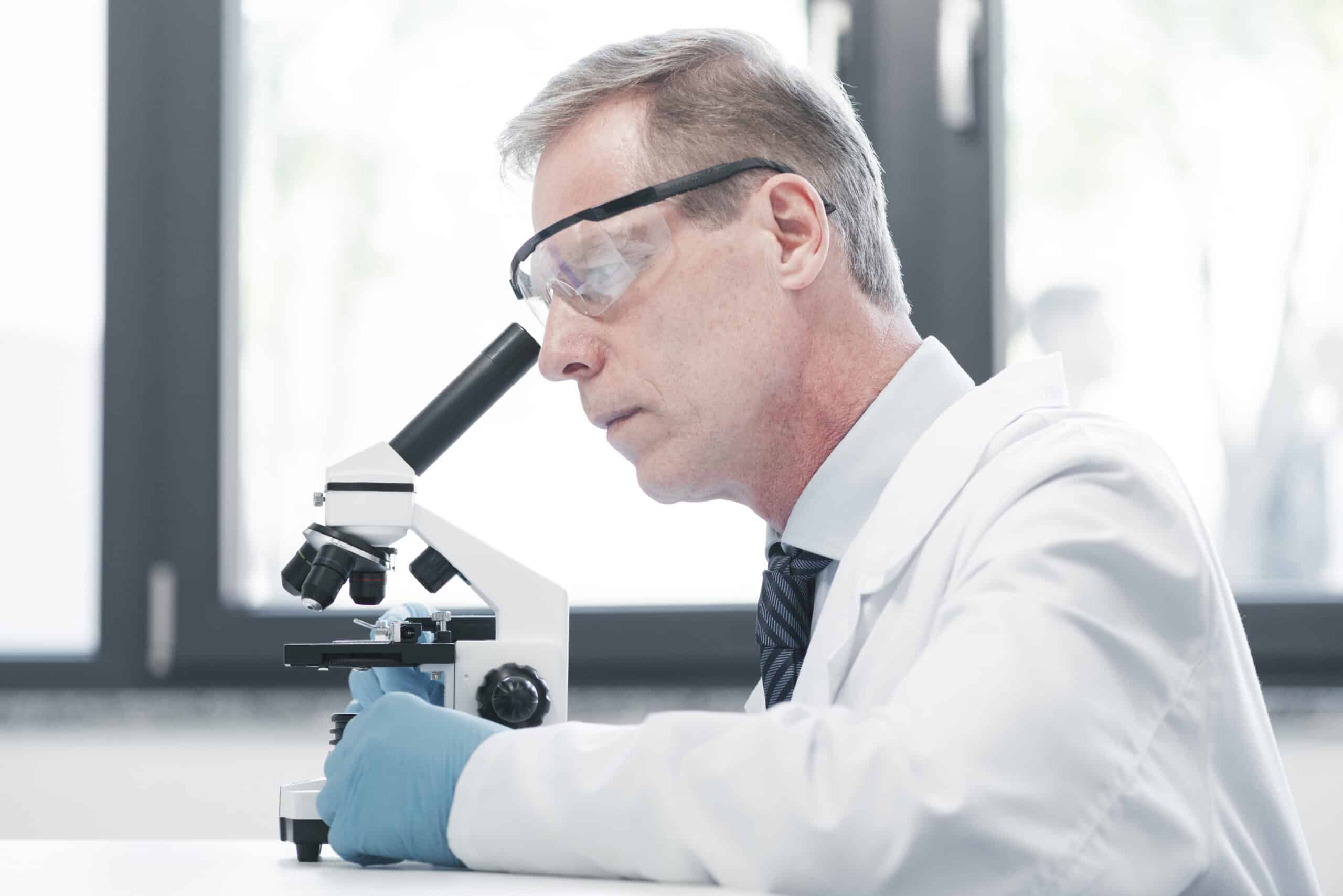
At H.U.M. Clinic in Bangkok, our stem cell therapy treatments utilize umbilical cord-derived mesenchymal stem cells (MSC) produced in laboratories that follow strict quality standards.
Laboratory Standards
- ISO-standard laboratory environments
- Cleanroom Class 100 production conditions
- GMP-grade cell culture medium
- Xeno-free culture systems designed to avoid animal-derived components
- Phenol-red-free culture condition
- Processing protocols minimize residual cryoprotectants
Quality Verification Per Batch
- Certificate of Analysis (COA) available for patient review
- Cell viability testing (>90%)
- Sterility testing
- Endotoxin screening
- Infectious disease screening using PCR
- Cell identity confirmation through flow cytometry markers (CD73, CD90, CD105)
- Cellular aging assessment (SA-β-galactosidase staining)
Why Stem Cell Quality Matters
Stem cell therapy outcomes at our Bangkok clinic can depend heavily on the biological quality of the cells being used.
Several factors influence stem cell quality, including cell viability, identity verification, culture conditions, sterility, and manufacturing environment. High-quality laboratory standards help ensure that stem cells maintain biological activity and safety before clinical administration.
For this reason, patients considering stem cell therapy should always ask about laboratory quality control and cell verification processes.
Fresh Stem Cells vs Cryopreserved Stem Cells
In most laboratory workflows, donor stem cell sources are initially preserved using cryogenic storage methods. Cryopreservation helps maintain cell viability and allows laboratories to safely process and expand stem cells under controlled conditions. These cells are then expanded through laboratory culture to produce clinical batches.
After expansion and preparation, stem cells are typically used shortly after production rather than stored long-term. This allows laboratories to maintain quality control while preparing stem cells for patient treatment. Understanding this process helps patients evaluate claims made by different clinics and better understand how stem cells are produced and prepared for clinical use.
Our Stem Cell Dosing Protocol
A typical regenerative treatment may involve approximately 40–60 million stem cells, though final dosing is determined during medical consultation.
Typical Regenerative Treatment Dose
40–60 Million
Stem Cells per session
Final dosing determined during physician consultation
Medical Screening Before Stem Cell Therapy in Bangkok
A key part of safe regenerative medicine is proper patient screening before treatment.
Stem cell therapy is not automatically suitable for every individual. At H.U.M. Clinic, all patients undergo a physician consultation before treatment.
Medical screening may include:
- Review of medical history
- Evaluation of treatment goals
- Screening for contraindications
- Assessment of treatment suitability
This safety-first approach helps ensure that stem cell therapy in Bangkok is offered only to patients who may be appropriate candidates.
Who May Not Be a Suitable Candidate for Stem Cell Therapy
Because mesenchymal stem cells have immunomodulatory effects, certain medical conditions may require caution or may not be appropriate for treatment.
Examples include:
- Active cancer or malignancy
- Severe immunocompromised states (such as advanced HIV)
- Active systemic infections
Other medical conditions may also require physician evaluation before treatment. For this reason, consultation with a qualified physician is essential before undergoing stem cell therapy in Thailand.
What to Expect During Stem Cell Therapy
Consultation and evaluation
Preparation of stem cell batch
Treatment administration
Post-treatment observation
Here is a general reference for what to expect in the days and weeks following treatment:
| Timeframe | What to Expect |
|---|---|
| Day 1 to 2 | Mild fatigue possible. No downtime required for IV therapy. Joint injections may cause localized soreness for one to three days. |
| Week 1 to 3 | No visible change expected. Biological processes are underway at the cellular level. |
| Week 4 to 8 | Most patients begin to notice initial changes. Tissue-level regeneration is gradual and varies by condition and individual response. |
| Week 6 to 8 | Follow-up consultation recommended. Physicians review responses and determine whether a repeat protocol is appropriate. |
Safety and Medical Supervision
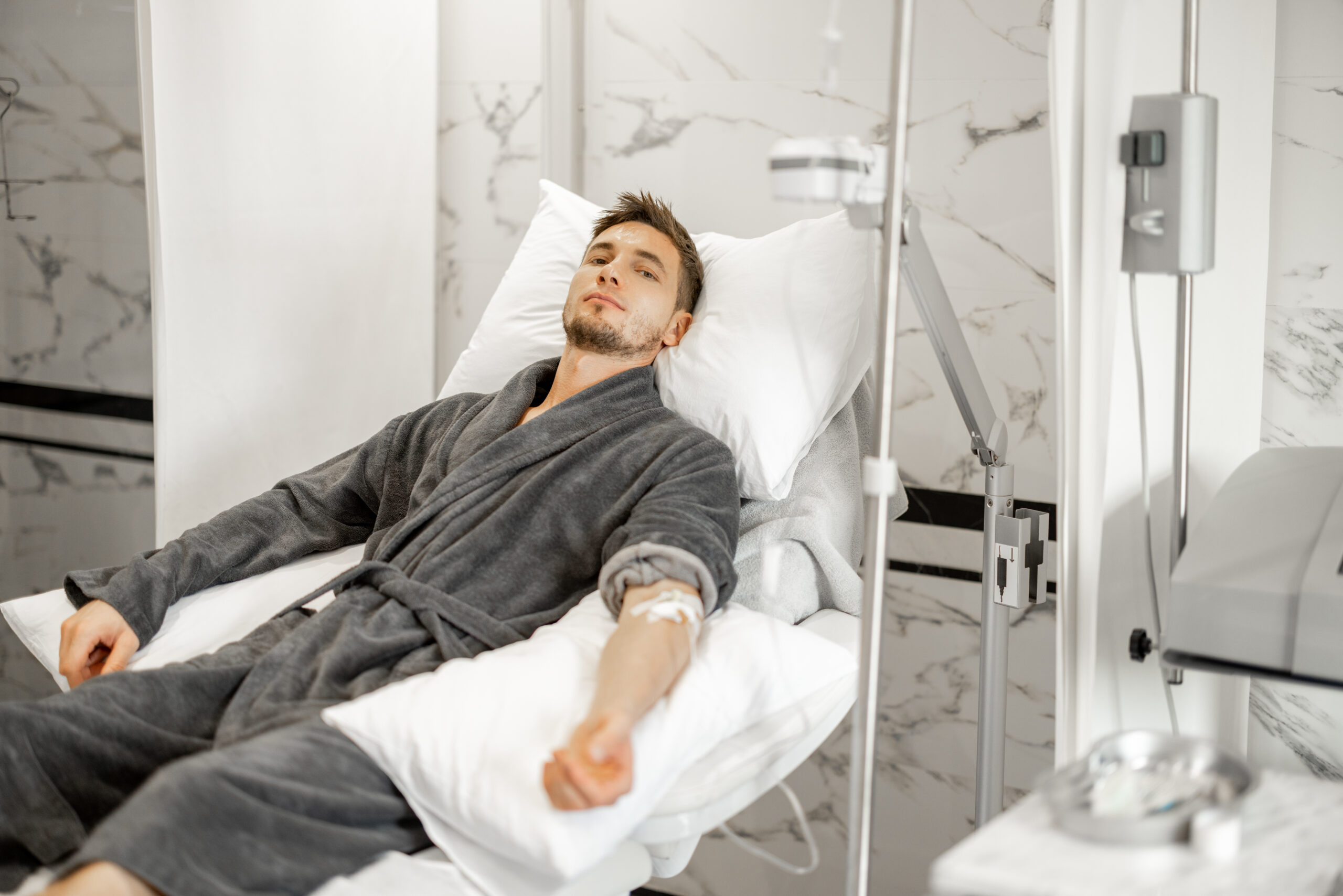
- Medical screening before therapy
- Controlled infusion protocols
- Physician and nurse monitoring during treatment
- Post-treatment observation
Stem Cell Therapy Cost in Bangkok
- The number of stem cells used
- The type of treatment (IV therapy vs targeted injection)
- Individualized treatment protocols
- Physician specialization
Because treatments are personalized, patients are typically advised to undergo consultation before receiving an exact treatment estimate.
How to Choose a Stem Cell Clinic in Bangkok
- Transparency about stem cell sources
- Laboratory quality standards
- Physician supervision
- Individualized dosing protocols
- Patient screening and safety procedures

Why Patients Choose H.U.M. Clinic for Stem Cell Therapy in Bangkok
- Physician-led regenerative treatment
- Hematologist supervision
- Laboratory-verified stem cell quality
- Certificate of Analysis (COA) transparency
- Individualized treatment protocols
- Comprehensive patient screening
Book a Stem Cell Therapy Consultation
Stem cell therapy in Bangkok is not a uniform product. The biological quality of the cells, the physician’s clinical assessment, and the rigor of the screening process determine whether treatment is appropriate and whether it will be performed safely. These factors vary significantly between clinics.
H.U.M. Clinic’s regenerative program is built around laboratory-verified MSC quality, hematologist supervision, and individualized treatment protocols reviewed before every infusion.
To book a consultation or ask about stem cell therapy at H.U.M. Clinic in Bangkok, contact us via LINE, phone at 098 983 2949, or email at [email protected].
Book an Appointment Chat with us on LINE WhatsApp Us View All Services →Sukhumvit Road, Khlong Toei
BTS Asok / MRT Sukhumvit
Unit 312, Ginza Thonglor Zone
BTS Thonglor
Frequently Asked Questions About Stem Cell Therapy in Bangkok
Q: What is stem cell therapy?
A: Stem cell therapy is a form of regenerative medicine that uses specialized cells to support the body’s natural repair processes. Mesenchymal stem cells (MSCs) release signaling molecules that regulate inflammation and support tissue repair at the cellular level.
Q: Is stem cell therapy safe?
A: When performed in a medical setting with proper screening and laboratory standards, stem cell therapy can be administered safely. Patients should always undergo physician evaluation before treatment.
Q: How many stem cells are used in treatment?
A: The number of stem cells used can vary depending on the treatment plan. A typical regenerative therapy may involve around 40-60 million stem cells, though final dosing is determined during consultation.
Q: How long does stem cell therapy take?
A: IV stem cell therapy is usually administered over 90–120 minutes, followed by a short observation period before patients leave the clinic
Q: What is the difference between IV stem cell therapy and injections?
A: IV stem cell therapy provides systemic regenerative support throughout the body, while targeted injections deliver stem cells directly to specific tissues such as joints or penile tissue.
Q: How much does stem cell therapy cost in Bangkok?
A: The cost of treatment depends on several factors including the number of cells used, treatment type, and individualized protocols.
Q: Who should not receive stem cell therapy?
A: Patients with active cancer, severe immunocompromised conditions, or active infections may not be suitable candidates and should undergo physician evaluation before treatment.
Q: Can international patients and tourists receive stem cell therapy in Bangkok?
A: Yes. Bangkok is one of Asia’s most established medical tourism destinations, and international patients regularly travel to Thailand for regenerative treatments. H.U.M. Clinic offers English-speaking physicians and consultations suited to both short-stay visitors and long-term expats.

Wichakorn Jitpraphun, M.D. (Dr. Kamin) is the Co-founder and Medical Director of H.U.M. Clinic, Bangkok. A physician licensed by the Medical Council of Thailand (License No. 51754), he has over 10 years of clinical experience, practicing since 2016. Dr. Kamin holds Certificate Diplomas in Sexual Medicine and Sexology from Thammasat University and Andrology certification from the Society of Men’s Health Singapore. His clinical practice focuses on testosterone replacement therapy (TRT), Men’s health, sexual medicine, HIV prevention and treatment, peptide therapy, and evidence-based medical weight management.