Key Takeaways
- Aging is driven by many overlapping biological processes rather than one single cause, including gradual cell damage, chronic low-grade inflammation, and a decline in the body’s ability to replace worn-out cells.
- Cells continue to regenerate throughout life, but the repair system itself gradually weakens, which is why the body continues to age despite ongoing cell renewal.
- Lifestyle factors such as sleep quality, sun exposure, diet, and chronic stress are among the strongest influences on how rapidly the body ages, and most of them can be addressed with the right medical guidance and support.
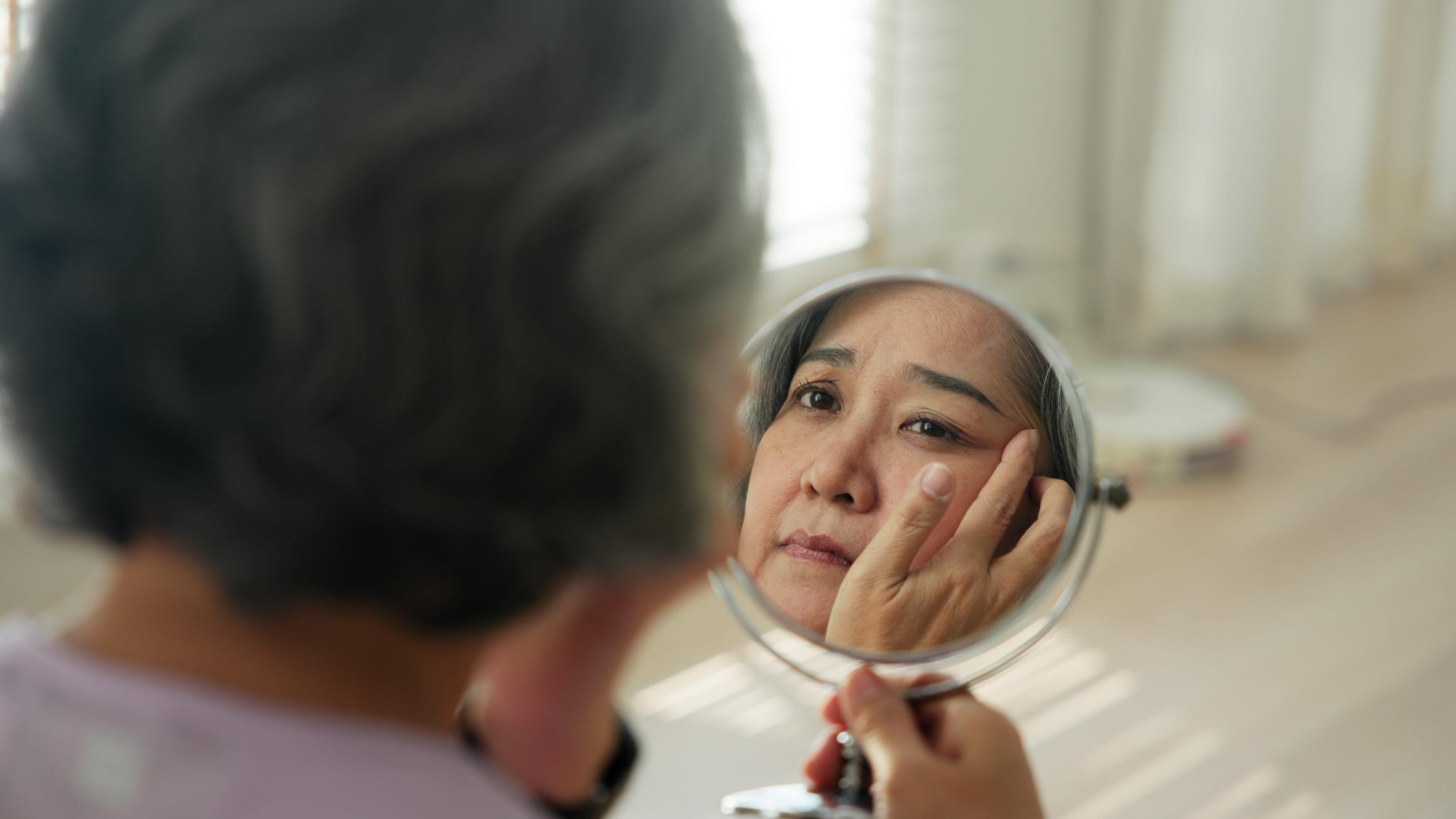
Two people born in the same year can look and feel a decade apart by the time they reach their sixties. One remains sharp, energetic, and physically resilient. The other has already begun to slow down. The difference often comes down to biology rather than time. Why we age is now better understood than at any point in medical history, and the science consistently points to a combination of internal processes and external influences, many of which can be measured, managed, and in some cases slowed.
Why Do We Age in the First Place
At its core, aging is the gradual loss of the body’s ability to repair and maintain itself. Scientists now describe it not as a single event but as a set of interconnected biological processes that unfold over time. These include progressive cell damage, chronic low-grade inflammation, and a steady decline in the body’s capacity to replace old or failing cells.
Each of these processes is subtle in isolation. Over decades, however, they compound. Cell damage accumulates faster than the body can fix it, inflammation becomes self-sustaining, and the systems responsible for renewal begin to falter. This is what makes aging so difficult to attribute to any one cause. It is the combined weight of many small, overlapping changes, all reinforcing one another.
What Causes Aging at the Cellular Level
The processes described above play out most clearly at the cellular level. Every cell in the body has a finite number of times it can divide. Once that limit is reached, the cell either stops functioning properly or enters a state called cellular senescence, in which it remains alive but begins releasing inflammatory signals that damage surrounding tissue. Over time, these senescent cells accumulate and contribute to the chronic inflammation associated with aging.
Alongside this, the stem cells responsible for replacing worn-out tissue decline in both number and function. The mitochondria, which generate energy within each cell, also become less efficient, producing more waste and less fuel. These changes are part of why fatigue, slower recovery, and reduced resilience become more common with age. Cells continue to regenerate, but the system doing the regenerating is itself wearing down.
What Causes Rapid Aging in Some People
While the internal processes above affect everyone, their pace varies significantly from person to person. Two individuals of the same chronological age can have markedly different biological ages, and lifestyle is the primary reason. It is rarely one dominant factor. Rather, it is the cumulative effect of many smaller ones. The most well-documented accelerators include:
- Chronic low-grade inflammation driven by poor diet or untreated health conditions
- Insufficient or poor-quality sleep
- Prolonged sun exposure without adequate protection
- Tobacco use and heavy alcohol consumption
- Diets built around ultra-processed foods
- Insulin resistance and untreated metabolic disorders
- Long-term psychological stress and sustained cortisol elevation
Most of these factors are modifiable, which is what makes them clinically relevant. Prevention and lifestyle intervention remain the foundation of any evidence-based approach to healthy aging.
How Aging Affects Men and Women Differently
The biological mechanisms of aging are shared between men and women, but hormones create meaningful differences in how the process presents. In women, estrogen levels decline sharply around menopause, typically between the ages of 45 and 55. This shift affects skin elasticity, bone density, sleep quality, and mood, often within a compressed window of time. Many of the visible markers of aging become more prominent during this stage.
In men, the hormonal transition is more gradual. Testosterone levels begin to fall around the age of 30, decreasing by approximately 1% per year. The effects are subtler but still significant, appearing in energy, muscle mass, motivation, and sexual health over time. Women, on average, live longer, while men tend to experience earlier changes in metabolism and cardiovascular function. These differences are why medically supervised anti-aging care is typically structured differently for each group. The underlying biology is shared, but the clinical priorities and timing are not.
Can We Actually Slow Down Aging?
Aging cannot be stopped, but there is strong evidence that its pace can be meaningfully influenced. The most reliable interventions remain foundational health habits:
- Daily sun protection to reduce photoaging and DNA damage
- Regular physical activity, including both cardiovascular and resistance training
- A nutrient-dense diet with adequate protein and minimal ultra-processed food
- Consistent, restorative sleep
- Active management of chronic stress
Beyond these, a growing field known as geroscience is investigating how to prevent age-related disease by targeting the biology of aging directly, rather than treating each condition in isolation. This is where medical interventions become relevant. Hormone optimization, peptide therapy, and structured health assessments are increasingly used to support the body’s natural systems as they change with age. These approaches are most effective when delivered under medical supervision and integrated into a long-term health plan, rather than pursued as isolated treatments.
A Medically Guided Approach to Healthy Aging
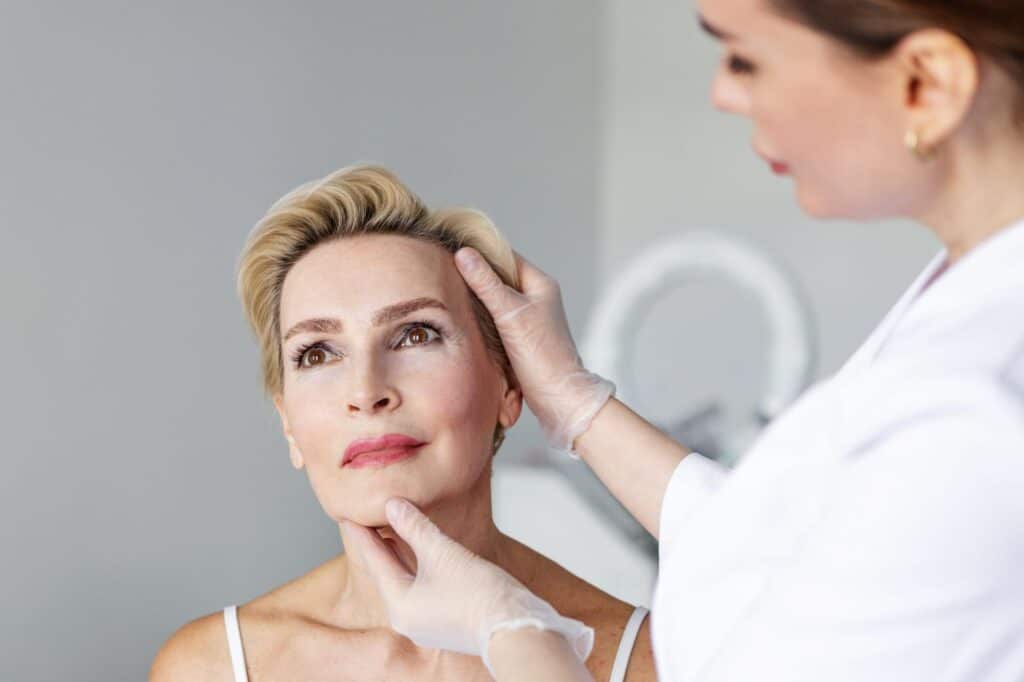
Understanding what drives aging is one thing. Acting on it is another. For most people, the factors that speed up the process are the same ones that respond well to early intervention: hormonal shifts, metabolic imbalances, chronic inflammation, and long-term lifestyle patterns. A structured medical assessment can identify where the body stands and what it needs, rather than relying on guesswork.
H.U.M. Clinic’s anti-aging programs begin with a complete assessment of hormones, metabolism, and overall health. Doctors use the results to design a plan tailored to each patient, whether that involves hormone optimization, structured medical monitoring, or peptide injection therapy at our clinic in Bangkok.
Book a consultation today at H.U.M. Clinic Bangkok via LINE, WhatsApp, phone at 098 983 2949, or email at [email protected].
References:
Hallmarks of aging: An expanding universe. Retrieved 9 July 2026, from https://www.cell.com/cell/fulltext/S0092-8674(22)01377-0
Chronic inflammation and the hallmarks of aging. Retrieved 9 July 2026, from https://pmc.ncbi.nlm.nih.gov/articles/PMC10359950/
Why Are Testosterone Levels Declining? Retrieved 9 July 2026, from https://health.clevelandclinic.org/declining-testosterone-levels
Frequently Asked Questions About Aging
Q: If cells regenerate, why do we age?
A: Cells do regenerate, but the system that produces new cells gradually wears down. Every cell has a finite number of times it can divide, and the stem cells that replace worn-out cells become fewer and less effective over time. While regeneration continues, the body’s overall repair capacity slowly declines, which is why we still age even as our cells are constantly being replaced.
Q: Why do we get wrinkles as we age?
A: Wrinkles form when the skin produces less collagen and elastin, the proteins responsible for keeping it firm and smooth. Sun exposure is the most significant external factor, followed by smoking, chronic stress, and poor sleep. Internally, slower cell turnover and hormonal changes, particularly the decline in estrogen around menopause, also contribute to visible skin aging.
Q: How do you know if your body is aging faster than it should?
A: Signs that the body may be aging more rapidly than expected include persistent fatigue, slow recovery from illness or injury, unexplained changes in weight or body composition, reduced motivation, and visible skin changes that seem premature for your age. A medical assessment of hormone levels, metabolic markers, and inflammatory indicators can help determine whether your biological age is tracking ahead of your chronological age.
Q: What are the best anti-aging peptides and do they actually work?
A: Several peptides are being studied for their potential to support skin repair, tissue regeneration, and growth hormone production, all of which naturally decline with age. While large-scale clinical trials are still ongoing, many doctors already use specific peptides as part of supervised anti-aging programs alongside hormone optimization, nutrition, and lifestyle support. Results vary between individuals, and treatment is always tailored to each patient’s health profile.

Wichakorn Jitpraphun, M.D. (Dr. Kamin) is the Co-founder and Medical Director of H.U.M. Clinic, Bangkok. A physician licensed by the Medical Council of Thailand (License No. 51754), he has over 10 years of clinical experience, practicing since 2016. Dr. Kamin holds Certificate Diplomas in Sexual Medicine and Sexology from Thammasat University and Andrology certification from the Society of Men’s Health Singapore. His clinical practice focuses on testosterone replacement therapy (TRT), Men’s health, sexual medicine, HIV prevention and treatment, peptide therapy, and evidence-based medical weight management.