
Key Takeaways
- Diabetes is a chronic condition where blood glucose stays persistently elevated because of problems with insulin production, insulin response, or both.
- The main types of diabetes are Type 1, Type 2, prediabetes, and gestational diabetes. Type 2 accounts for 90 to 95% of all cases.
- Diagnosis relies on blood tests, particularly fasting plasma glucose and HbA1c, because early symptoms of Type 2 diabetes are often absent.
- Modern treatment includes lifestyle changes, metformin, SGLT-2 inhibitors, and newer GLP-1 and dual GLP-1/GIP medications like tirzepatide.
Table of contents
Diabetes rarely announces itself. For most people with Type 2, the diagnosis arrives at a routine check-up long after the underlying process began. That gap between biology going off track and any noticeable symptom is why routine screening exists.
According to the World Health Organization, around 830 million people were living with diabetes in 2022, up from 108 million in 1980. The rise is driven overwhelmingly by Type 2, tied closely to shifts in diet, activity, and body composition worldwide. Here’s what to know about the main types, symptoms, diagnostic tests, and current treatment options.
What Is Diabetes? The Role of Insulin
Diabetes is a chronic condition where blood glucose stays persistently elevated. This happens for one of three reasons: the body doesn’t produce insulin, doesn’t produce enough of it, or doesn’t respond to it effectively. All three end at the same place in the bloodstream.
Insulin is the mechanism that makes glucose useful. It’s a hormone produced by the pancreas that signals cells to take glucose in from the bloodstream for energy. If insulin signaling doesn’t work properly, glucose accumulates in the blood while the cells go hungry.
Sustained high blood glucose is what drives most of the damage over time. Blood vessels, nerves, kidneys, and eyes are all vulnerable to years of elevated glucose exposure.
Terminology-wise, diabetes’ technical name is diabetes mellitus (in Southeast Asia, it may also colloquially be known as sugar diabetes), distinct from the rarer diabetes insipidus, which is unrelated despite the shared name.
Types of Diabetes: Type 1, Type 2, and Beyond
Type 1 is an autoimmune condition where the immune system destroys the insulin-producing beta cells in the pancreas, leaving the body unable to make insulin. It accounts for 5 to 10% of cases and is usually diagnosed in childhood or young adulthood.
Type 2 is the most common form, at 90 to 95% of cases. Either the pancreas doesn’t produce enough insulin, the body’s cells resist its effects, or both. Understanding diabetes type 1 and 2 as distinct conditions matters because they call for different treatment paths.
Prediabetes sits above normal but below the Type 2 threshold, where a person has a fasting glucose of 100 to 125 mg/dL or HbA1c of 5.7 to 6.4%. It’s reversible with dietary and lifestyle changes and usually produces no symptoms.
Gestational diabetes develops during pregnancy from hormonal shifts affecting insulin sensitivity. It usually resolves after delivery but raises the risk of developing Type 2 later in life.
What Causes Diabetes and Who Is at Risk?
Risk factors differ substantially between types, and conflating them causes confusion when thinking about how do you get diabetes in the first place. Here’s the difference:
- For Type 1, the drivers are genetic predisposition and autoimmune triggers. Lifestyle is not a cause.
- For Type 2, the picture is different. Excess body weight, particularly visceral fat, and physical inactivity are two of the strongest drivers. Diets high in refined carbohydrates, family history, and age over 45 also raise risk. Prior gestational diabetes is a strong signal. Southeast Asian populations carry higher metabolic risk at lower BMI thresholds than Western reference ranges suggest.
The central mechanism in Type 2 is insulin resistance. Cells in the muscles, liver, and fat gradually stop responding normally to insulin, which forces the pancreas to produce more to compensate. This process unfolds over years.
Diabetes Symptoms to Watch For
The classic signs are frequent urination, excessive thirst, unexplained fatigue, blurred vision, slow-healing wounds, numbness or tingling in the extremities, and unexplained weight loss.
The presentation varies by type. Type 1 symptoms develop quickly and can become severe within weeks. Type 2 symptoms often develop gradually and may be absent entirely in the early stages, which is why so many diagnoses arrive at a routine checkup rather than after a specific concern. Prediabetes usually produces no symptoms at all.
For anyone with risk factors on the list above, waiting for something to feel wrong before seeking recourse is ill-advised.
How to Know If You Have Diabetes
Diagnosis relies on blood tests, not symptoms. Three main tests are used:
- Fasting plasma glucose: 126 mg/dL or above on two separate occasions confirms diabetes.
- HbA1c: reflects average blood glucose over the previous two to three months. A result of 6.5% or above confirms diabetes, and 5.7 to 6.4% indicates prediabetes.
- Oral glucose tolerance test: used in pregnancy screening and in cases where fasting glucose and HbA1c disagree.
Testing is recommended for anyone over 35 with a risk factor, anyone with symptoms regardless of age, and all pregnant women between 24 and 28 weeks. For expats without a regular GP, a walk-in clinic assessment is a straightforward starting point.
Diabetes Treatment and Current Medications
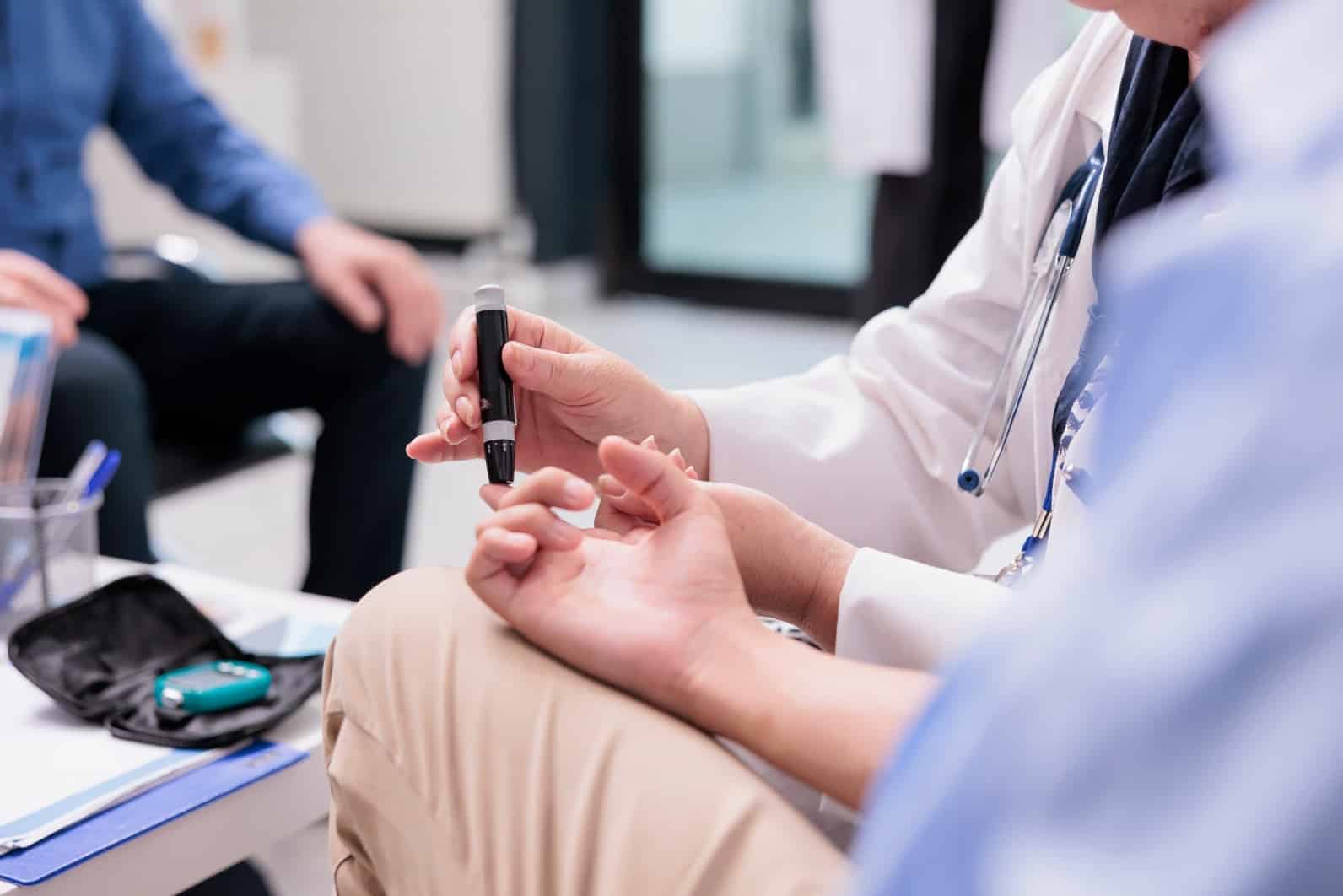
Diabetes treatment is layered. Lifestyle changes come first for Type 2 and prediabetes: dietary modification, aerobic exercise, and weight reduction all have strong evidence behind them, especially early on.
Metformin remains widely used as a first-line medication. SGLT-2 inhibitors have moved into first-choice territory for patients with cardiovascular or kidney disease under current American Diabetes Association guidelines.
The newer arrivals are GLP-1 receptor agonists and dual GLP-1/GIP agonists. Semaglutide and tirzepatide, marketed as Mounjaro, belong to this class. The SURPASS-2 trial reported that tirzepatide 15 mg reduced HbA1c by 2.3% compared with 1.86% for semaglutide 1 mg over 40 weeks. Both medications also produce substantial weight loss alongside better glucose control.
How Does Mounjaro Work for Weight Loss?
Mounjaro, or tirzepatide, is the first medication approved to activate both GIP and GLP-1 receptors simultaneously. GIP, or glucose-dependent insulinotropic polypeptide, and GLP-1, or glucagon-like peptide-1, are hormone signals released by the gut after eating. When their receptors are activated together, three effects follow: gastric emptying slows, appetite decreases, and insulin secretion improves.
The result is meaningful weight loss alongside better glucose control. The SURMOUNT-1 trial reported average body weight reductions of 22.5% at the 15 mg tirzepatide dose over 72 weeks in adults with obesity.
In Thailand, Mounjaro is approved by the Thai FDA and taken as a weekly injection under a valid prescription.
Complications of Unmanaged Diabetes
The reason diabetes treatment matters is what happens when glucose stays elevated for years. Cardiovascular disease is the leading cause of death in people with diabetes, driven by progressive damage to blood vessel walls.
Kidney damage, diabetic retinopathy affecting vision, and peripheral neuropathy affecting nerves in the feet and hands are also common consequences. Without careful management, peripheral neuropathy can progress to serious foot infections.
Earlier intervention produces substantially better outcomes. Complications are not inevitable when the condition is well-managed.
Get Diabetes Care and Mounjaro at H.U.M. Clinic
Diabetes is chronic but manageable, and modern treatment options have expanded significantly with medications like tirzepatide entering the picture for both blood glucose control and weight management. What matters most is early detection through routine blood work and a structured treatment plan built around your labs, not a generic prescription.
At H.U.M. Clinic, Mounjaro or tirzepatide is available through prescriptions issued by our English-speaking doctors, who have over 8 years of experience in weight management and metabolic health. Every plan with us starts with baseline lab work, medical history review, and a discussion of your goals and contraindications, and ongoing monitoring is built into follow-ups. We source Mounjaro directly from Zuellig Pharma, the licensed Eli Lilly distributor in Thailand, providing you with assurance for buying Mounjaro in Bangkok.
Book a diabetes assessment or start a supervised treatment path at H.U.M. Clinic today. We also offer the option to buy Mounjaro in Bangkok for medically supervised care. If you have questions, you can contact us via LINE, WhatsApp, phone at 098 983 2949, or email at [email protected]. Our clinic is located near BTS Asok and MRT Sukhumvit for convenient access from central Bangkok.
References
- Diabetes Fact Sheet. Retrieved July 14, 2026, from https://www.who.int/news-room/fact-sheets/detail/diabetes
- Diabetes: What It Is, Causes, Symptoms, Treatment & Types. Retrieved July 14, 2026, from https://my.clevelandclinic.org/health/diseases/7104-diabetes
- Prediabetes: Your Chance to Prevent Type 2 Diabetes. Retrieved July 14, 2026, from https://www.cdc.gov/diabetes/prevention-type-2/prediabetes-your-chance-to-prevent-type-2-diabetes.html
- Standards of Care in Diabetes. Retrieved July 14, 2026, from https://diabetesjournals.org/care/issue/48/Supplement_1
- Tirzepatide versus Semaglutide Once Weekly in Patients with Type 2 Diabetes. Retrieved July 14, 2026, from https://www.nejm.org/doi/full/10.1056/NEJMoa2107519
- Tirzepatide Once Weekly for the Treatment of Obesity. Retrieved July 14, 2026, from https://www.nejm.org/doi/full/10.1056/NEJMoa2206038
- Insulin Resistance & Prediabetes. Retrieved July 14, 2026, from https://www.niddk.nih.gov/health-information/diabetes/overview/what-is-diabetes/prediabetes-insulin-resistance
- Diabetes Complications. Retrieved July 14, 2026, from https://www.cdc.gov/diabetes/managing/problems.html
Frequently Asked Questions About Diabetes
What are the early diabetes symptoms?
The classic early signs are frequent urination, excessive thirst, unexplained fatigue, blurred vision, slow-healing wounds, and numbness or tingling in the extremities. Type 1 symptoms tend to develop quickly, sometimes within weeks. Type 2 symptoms often develop gradually and may be absent entirely in the early stages, which is why routine blood testing matters for anyone with risk factors.
How does Mounjaro work for weight loss?
Mounjaro, or tirzepatide, activates both GIP and GLP-1 receptors, which are hormone signals released by the gut after eating. This dual action slows gastric emptying, reduces appetite, and improves insulin sensitivity. The result is meaningful weight loss alongside better blood glucose control. The SURMOUNT-1 trial reported average body weight reductions of 22.5% at the 15 mg dose over 72 weeks in adults with obesity, taken as a weekly injection.
What is the difference between diabetes type 1 and 2?
Type 1 is an autoimmune condition where the immune system destroys the insulin-producing cells in the pancreas, so the body produces no insulin. It accounts for 5 to 10% of cases and is usually diagnosed in childhood. Type 2 is far more common, at 90 to 95% of cases, and involves either insufficient insulin production or the body’s cells resisting insulin’s effects. Lifestyle factors play a large role in Type 2 but not in Type 1.
Can Type 2 diabetes be reversed?
Type 2 diabetes can go into remission, particularly with significant weight loss, dietary changes, and sustained exercise. Remission is not the same as a cure; blood glucose can rise again if the underlying drivers return. Prediabetes is more directly reversible with lifestyle changes and is one of the strongest reasons to catch the condition early through routine screening.
How to know if you have diabetes?
Diagnosis relies on blood tests, not symptoms. The three main tests are fasting plasma glucose, HbA1c which reflects average glucose over two to three months, and the oral glucose tolerance test used in pregnancy screening. A fasting glucose of 126 mg/dL or above on two occasions or an HbA1c of 6.5% or above confirms diabetes. HbA1c between 5.7 and 6.4% indicates prediabetes.

Provides diverse medical services, specializing in male hormone treatment, sexual health, and general practice care. He is dedicated to delivering comprehensive care for international patients, addressing physical, emotional, and mental health needs.