
Key Takeaways
- Bremelanotide is an FDA-approved injectable peptide that acts on brain circuits controlling sexual desire, not on hormones or blood flow.
- It is approved for premenopausal women with acquired, generalized HSDD, and is used on-demand rather than daily.
- Common side effects include nausea, transient blood pressure changes, and possible focal skin darkening.
- Physician-supervised peptide therapy is available at H.U.M. Clinic, a peptide clinic in Bangkok near BTS Asok.
Low sexual desire is one of the concerns that goes unspoken in medical appointments the longest. When it does come up, patients often describe months or years of trying to work through it on their own first. The gap between when the issue starts and when it gets addressed is where most people spend far too long.
According to Mayo Clinic Proceedings, hypoactive sexual desire disorder is the most prevalent female sexual health problem, with population studies estimating prevalence between 8% and 19%. Bremelanotide is one of only two FDA-approved medications for the condition, and the only one delivered by injection. Here’s what to know about how PT-141 (bremelanotide) works, who it’s approved for, side effects, and how it compares to the alternative.
How the Bremelanotide Mechanism of Action Works
Bremelanotide (PT-141) belongs to a class of drugs called melanocortin receptor agonists. It’s a synthetic analog of alpha-melanocyte-stimulating hormone (alpha-MSH), a naturally occurring peptide in the body. Its main target is the melanocortin-4 receptor, known as MC4R, which is concentrated in the hypothalamus. That brain region governs sexual motivation, among other functions.
When bremelanotide binds to MC4 receptors, it triggers changes in dopamine signaling within the brain’s desire and reward circuits. Dopamine plays a central role in wanting: the drive to seek out something rewarding, including sexual activity. By modulating these circuits, the peptide aims to raise sexual desire at its neurological source.
This is a different mechanism than PDE-5 inhibitors like sildenafil or tadalafil, which improve blood flow to the genitals and support the physical erection response. Bremelanotide has no vascular action as it doesn’t produce erections directly or increase genital sensitivity, but rather changes the brain’s readiness to want sex, not the body’s capacity to respond.
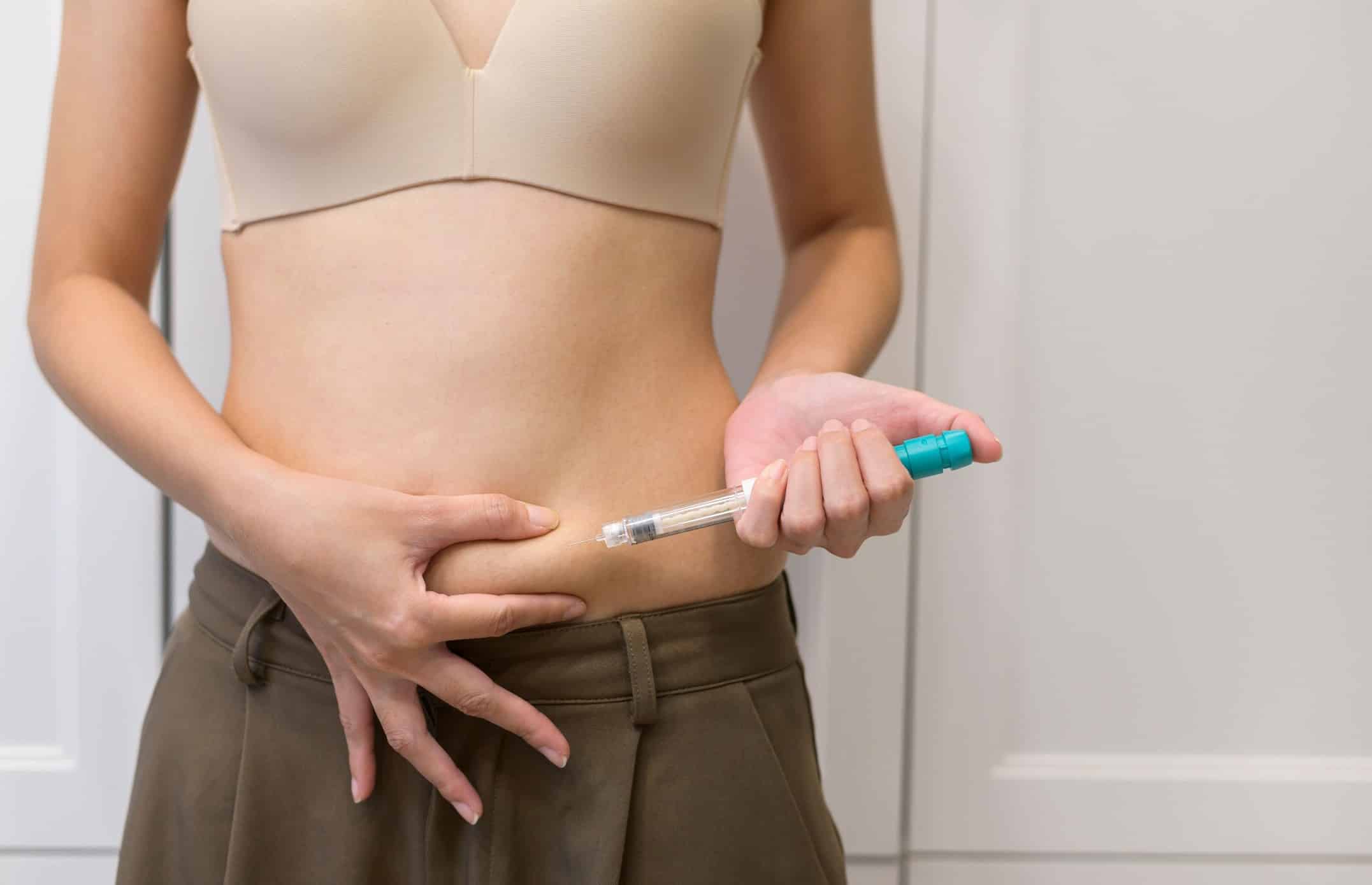
Dosing reflects this design. The peptide is self-administered as a subcutaneous injection into the abdomen or thigh, at least 45 minutes before anticipated sexual activity. It’s an on-demand medication, not a daily maintenance drug.
Approved Uses and Clinical Evidence
The FDA approved the bremelanotide peptide in 2019 under the brand name Vyleesi. Its approved indication is narrow: acquired, generalized hypoactive sexual desire disorder (HSDD) in premenopausal women.
Both qualifiers matter clinically. Acquired means sexual desire was previously normal for the patient and has since declined; it’s not approved for people who have always had low desire. Generalized means the low desire occurs across partners and situations, not just in one relationship or with one specific partner.
The pivotal RECONNECT trials tested bremelanotide against placebo in premenopausal women meeting the HSDD criteria. Results showed statistically significant improvements in desire scores and reductions in personal distress. The effect size was modest but consistent, and it met the FDA’s threshold for approval.
Bremelanotide isn’t indicated for low desire caused by relationship problems, side effects of another medication, untreated depression, or other medical conditions. Those situations call for different approaches and often benefit from working with a mental health professional or reviewing current prescriptions with a doctor.
Off-label interest in men and postmenopausal women exists, but the approved evidence base sits with premenopausal HSDD. Efficacy outside that population hasn’t been established in large controlled trials.

Bremelanotide Side Effects and Safety Profile
Nausea is the most commonly reported side effect. It’s often strongest with the first dose and improves with subsequent injections. Most cases in trials were mild to moderate.
Blood pressure changes occur predictably after each dose. Bremelanotide causes a transient rise in blood pressure and a temporary drop in heart rate, which typically return to baseline within about 12 hours. Because of this, the drug isn’t recommended for patients with uncontrolled hypertension or significant cardiovascular disease.
Focal hyperpigmentation, or darkening of the skin, is another documented effect. It tends to appear on the face, gums, or breasts, and it occurs more frequently in individuals with darker skin tones. In some cases, the darkening may not fully resolve after stopping the medication.
Dosing limits reduce cumulative risk:
- Daily cap: No more than one dose in 24 hours.
- Monthly cap: Typically no more than eight doses per month.
- Exceeding limits: Raises the likelihood of side effects without added benefit.
One drug interaction worth flagging is that bremelanotide slows gastric emptying, which can delay how quickly the body absorbs certain oral medications, including some antibiotics and oral naltrexone. Your doctor should review your full medication list before prescribing.
Flibanserin and Bremelanotide: How They Compare
Both bremelanotide and flibanserin (brand name Addyi) are FDA-approved treatments for premenopausal HSDD. They differ in almost every practical way.
Mechanism sits at the top of the list. Bremelanotide acts on MC4 receptors to influence dopamine-driven desire circuits. Flibanserin, by contrast, is a serotonin 1A receptor agonist and 2A antagonist. It shifts the balance of serotonin, dopamine, and norepinephrine in the brain, aiming to reduce serotonin’s inhibitory effect on desire.
Dosing patterns also have a sharp difference:
- Bremelanotide: On-demand injection before anticipated sexual activity, skipped on days without sex.
- Flibanserin: Daily oral tablet taken at bedtime, regardless of sexual activity. Its effect builds over weeks.
Side effect profiles reflect the different mechanisms. Bremelanotide’s main risks are nausea, blood pressure changes, and skin darkening. Flibanserin’s most notable side effects are dizziness, sleepiness, low blood pressure, and occasionally fainting.
Alcohol interaction is the most practical difference for many patients. Bremelanotide has no major reported alcohol interaction. Flibanserin carries a strict alcohol restriction: drinking within a few hours of the daily dose can significantly raise the risk of dangerously low blood pressure and fainting.
The choice often comes down to lifestyle. Patients comfortable with injections who want as-needed control may prefer bremelanotide. Those who prefer a daily pill and can accept the alcohol restriction may choose flibanserin.
Get Peptide Therapy and PT-141 at H.U.M. Clinic
Bremelanotide is a targeted option within a broader field of peptide therapy, and it works through a mechanism distinct from every other prescription option for sexual desire. Its approved use is specific to premenopausal women with acquired, generalized HSDD, and it carries a defined side effect profile that requires medical assessment before starting. What matters most is a careful evaluation of cardiovascular history, current medications, and off-label considerations rather than a rushed prescription.
At H.U.M. Clinic, peptide therapy is prescribed by English-speaking doctors with over 8 years of experience in men’s hormones, sexual health, and weight management. Every consultation starts with a medical history review, current medications check, and discussion of cardiovascular risk factors, and follow-up is built into every protocol so response and tolerability can be reviewed at each stage. Our doctors are also here to answer any questions you may have about bremelanotide or other peptide options available at the clinic.
Book a consultation with our doctors at H.U.M. Clinic as your preferred peptide clinic in Bangkok. Contact us via LINE, WhatsApp, phone at 098 983 2949, or email at [email protected] to learn more. Our clinic is located near BTS Asok and MRT Sukhumvit for convenient access from central Bangkok.
References
- Hypoactive Sexual Desire Disorder. Retrieved August 7, 2026, from https://www.mayoclinicproceedings.org/article/S0025-6196(16)30596-1/fulltext
- Bremelanotide. Retrieved August 7, 2026, from https://www.ncbi.nlm.nih.gov/books/NBK573221/
- Bremelanotide (subcutaneous route). Retrieved August 7, 2026, from https://www.mayoclinic.org/drugs-supplements/bremelanotide-subcutaneous-route/description/drg-20466805
- Bremelanotide Injection. Retrieved August 7, 2026, from https://my.clevelandclinic.org/health/drugs/21312-bremelanotide-injection
- Bremelanotide for the Treatment of Hypoactive Sexual Desire Disorder. Retrieved August 7, 2026, from https://pubmed.ncbi.nlm.nih.gov/31429064/
- Bremelanotide. Retrieved August 7, 2026, from https://go.drugbank.com/drugs/DB11653
- Bremelanotide (Vyleesi) Dosing and Warnings. Retrieved August 7, 2026, from https://www.rxlist.com/bremelanotide/generic-drug.htm
- Flibanserin: A Review in Hypoactive Sexual Desire Disorder in Premenopausal Women. Retrieved August 7, 2026, from https://pubmed.ncbi.nlm.nih.gov/26780746/
- Hypoactive Sexual Desire Disorder. Retrieved August 7, 2026, from https://www.ncbi.nlm.nih.gov/books/NBK547738/
Frequently Asked Questions About Bremelanotide
Q: What is bremelanotide?
A: Bremelanotide is a synthetic peptide derived from alpha-melanocyte-stimulating hormone. It’s FDA-approved under the brand name Vyleesi to treat acquired, generalized hypoactive sexual desire disorder in premenopausal women. It acts on melanocortin-4 receptors in the brain to influence desire circuits, and is given as a subcutaneous injection before anticipated sexual activity.
Q: Is bremelanotide for female patients only?
A: The FDA approval is specific to premenopausal women with acquired, generalized HSDD. Off-label interest exists in men and postmenopausal women, but efficacy in those populations hasn’t been established in large controlled trials. Any off-label use should be discussed with a qualified doctor who can weigh the individual medical rationale.
Q: What are the side effects of bremelanotide?
A: Common side effects include nausea, headache, flushing, and injection-site reactions. Bremelanotide also causes a transient rise in blood pressure and a temporary drop in heart rate after each dose. Focal skin darkening can occur, particularly in individuals with darker skin tones, and may not fully reverse after stopping.
Q: How does bremelanotide compare to Viagra?
A: They work through completely different mechanisms. Viagra (sildenafil) is a PDE-5 inhibitor that improves genital blood flow to support erections. Bremelanotide acts on brain circuits controlling sexual desire and has no direct effect on blood flow. It’s used for desire, not for erectile function.

Provides diverse medical services, specializing in male hormone treatment, sexual health, and general practice care. He is dedicated to delivering comprehensive care for international patients, addressing physical, emotional, and mental health needs.