Table of contents
Lead • Mercury • Arsenic • Cadmium — The Hidden Threats to Energy, Hormones, and Longevity
In today’s industrialized environment, invisible toxins surround us daily — in the air we breathe, the food we eat, and even common household products.
Among the most concerning are heavy metals, including lead, mercury, cadmium, arsenic, and aluminum.
While trace minerals such as zinc and copper are vital for health, excessive levels of these toxic metals can silently accumulate in the body and disrupt energy metabolism, hormone balance, fertility, and cognitive function.
At H.U.M. Clinic Bangkok, our physicians (trained and certified by the Chelation Medical Association of Thailand, CMAT) specialize in blood and urine heavy metal testing to identify early toxicity and guide safe, evidence-based detoxification.
What Are Heavy Metals?
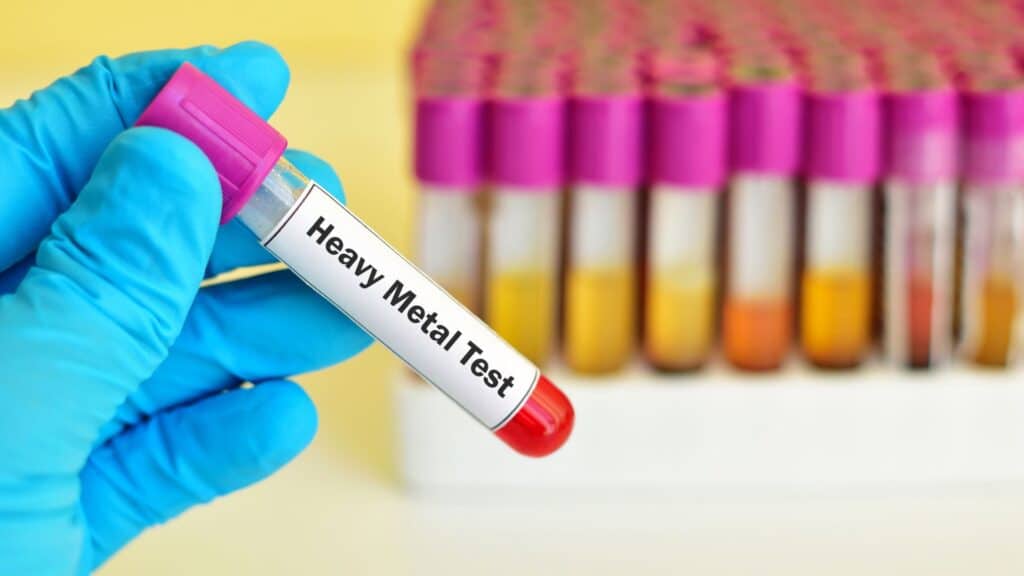
Heavy metals are metallic elements with high density and atomic weight.
Some (like iron or zinc) are beneficial in small amounts — but toxic ones accumulate over time, interfering with essential cellular functions.
| Metal | Common Sources | Potential Health Impacts |
| Lead | Old plumbing, industrial emissions, contaminated soil | Hypertension, cognitive decline, anemia |
| Mercury | Large fish (tuna, swordfish), dental amalgam fillings | Neurological issues, infertility |
| Cadmium | Cigarette smoke, fertilizers, contaminated rice | Kidney damage, insulin resistance |
| Arsenic | Groundwater, grains, seafood | Skin changes, liver damage, ↑cancer risk |
| Aluminum | Processed foods, cookware, antiperspirants | Cognitive impairment, mitochondrial stress |
How Heavy Metals Damage the Body
Toxic metals harm through several key mechanisms:
- Oxidative stress: generating free radicals that injure DNA and cell membranes
- Mitochondrial dysfunction: blocking energy (ATP) production → chronic fatigue
- Enzyme inhibition: binding to sulfhydryl (-SH) groups and disabling vital enzymes
- Mineral displacement: mimicking essential minerals like calcium and zinc, disrupting normal biochemical reactions
These effects explain why long-term exposure often causes brain fog, chronic fatigue, mood changes, poor sleep, hormonal decline, and cardiovascular risk, even when routine lab results look “normal.”
Who Is at Risk?
You may have higher exposure if you:
- Live or work in urban or industrial environments
- Eat seafood (especially tuna, mackerel, swordfish) frequently
- Have dental amalgam fillings
- Smoke or inhale secondhand smoke
- Handle chemicals, paints, or construction materials
- Use herbal or traditional supplements from unregulated sources
Common Symptoms of Heavy Metal Accumulation
Because heavy metals affect multiple systems, symptoms are often vague and chronic:
- Persistent tiredness or brain fog
- Memory decline, anxiety, or low mood
- Poor sleep or restless legs
- Hair loss, brittle nails
- Tingling or numbness in hands or feet
- Low libido or reduced fertility
- Unexplained hypertension or irregular heartbeat
Even low-grade toxicity can worsen metabolic and hormonal conditions such as diabetes, obesity, hypertension, and low testosterone.

Heavy Metals and Men’s Health
In men, toxic metals are a major — and often overlooked — cause of hormonal suppression and infertility:
- Lead & Cadmium: reduce testosterone and impair sperm motility
- Mercury: disrupts the hypothalamic–pituitary–gonadal axis, leading to low libido and erectile dysfunction
Clinical studies show that detecting and removing toxic metals can improve sperm count, testosterone, and vitality — essential for men undergoing hormone or fertility optimization at H.U.M. Clinic.
Heavy Metal Testing at H.U.M. Clinic Bangkok
We offer two precise laboratory assessments to evaluate both recent exposure and chronic accumulation.
1. Blood Heavy Metal Test
- Detects acute or ongoing exposure to metals such as lead, mercury, cadmium, and arsenic
- Useful for patients with occupational exposure, fatigue, or neurological symptoms
- Helps track treatment progress over time
Preparation Tips:
Avoid seafood, herbal supplements, or multivitamins for 48 hours before testing.
2. Urine Heavy Metal Test
- Measures metals excreted through urine, reflecting chronic or long-term exposure
- Non-provoked urine testing (without chelating agents) provides a safe baseline view of your body burden
- Recommended for monitoring environmental exposure or occupational risk
Preparation Tips:
- Collect first-morning urine sample for best accuracy
- Avoid seafood, alcohol, and supplements for 48 hours prior
- Stay well hydrated (1.5–2 L/day) for two days before testing
All tests at H.U.M. Clinic Bangkok are supervised by CMAT-certified physicians, ensuring proper interpretation and safe follow-up.

Blood vs. Urine Heavy Metal Test — Which One Is Best?
Both blood and urine tests are valuable, but they serve different diagnostic purposes depending on the type and timing of exposure.
| Feature | Blood Test | Urine Test |
| What It Measures | Metals currently circulating in your bloodstream | Metals being excreted through your kidneys |
| Best For | Detecting recent or acute exposure (past few days to weeks) | Assessing chronic or ongoing accumulation |
| Examples | High lead or mercury levels from a recent exposure | Long-term accumulation of cadmium, arsenic, or mercury |
| Sample Timing | Can be done any time (after 48-hour seafood/supplement avoidance) | Best with first-morning urine for highest concentration |
| Result Interpretation | Reflects current body load and recent absorption | Reflects body’s elimination capacity and tissue storage |
| Recommended For | Workers, urban residents, or those with neurological symptoms | Individuals with fatigue, metabolic issues, or environmental exposure history |
Doctor’s Note:
At H.U.M. Clinic Bangkok, we often combine blood and urine testing for a comprehensive overview — blood to detect active exposure, and urine to evaluate long-term burden and clearance efficiency.
This dual approach gives the most accurate foundation for treatment planning, including detoxification and chelation therapy if indicated.
How to Prepare for Your Appointment
- Consultation: Review your symptoms, occupation, and exposure risks
- Testing: Blood and/or urine collection (same-day available)
- Lab Analysis: Samples analyzed by certified partner laboratories
- Results Review: Doctor consultation explaining your results and next steps
- If elevated, we create a personalized plan that may include antioxidant therapy, detoxification support, or chelation (see our upcoming Chelation Therapy article)
Lifestyle & Prevention Tips
While complete avoidance is impossible, you can lower exposure and support natural detoxification:
- Drink filtered water instead of tap or bottled plastic water
- Eat antioxidant-rich foods (leafy greens, citrus, garlic, turmeric)
- Limit high-mercury seafood
- Avoid smoking and unnecessary chemical exposure
- Maintain hydration and regular exercise to support liver and kidney clearance
Take-Home Message
Heavy metals are invisible yet powerful disruptors of your metabolism, brain, and hormonal health.
Early testing identifies toxicity before symptoms turn into chronic disease.
At H.U.M. Clinic Bangkok, our CMAT-trained doctors provide comprehensive blood and urine heavy metal testing to uncover hidden exposures and design evidence-based detoxification plans.
For patients with confirmed elevation, our team also offers physician-supervised Chelation Therapy to safely remove toxic metals and restore balance.
👉 Learn more about Chelation Therapy → (coming soon)

Wichakorn Jitpraphun, M.D. (Dr. Kamin) is the Co-founder and Medical Director of H.U.M. Clinic, Bangkok. A physician licensed by the Medical Council of Thailand (License No. 51754), he has over 10 years of clinical experience, practicing since 2016. Dr. Kamin holds Certificate Diplomas in Sexual Medicine and Sexology from Thammasat University and Andrology certification from the Society of Men’s Health Singapore. His clinical practice focuses on testosterone replacement therapy (TRT), Men’s health, sexual medicine, HIV prevention and treatment, peptide therapy, and evidence-based medical weight management.