Table of contents
If you have been feeling tired, unfocused, or less motivated lately, it might not just be stress or aging. Many men experience a gradual drop in testosterone, the key hormone that fuels strength, energy, and vitality. According to the U.S. National Library of Medicine (MedlinePlus, 2023), testosterone levels naturally decline by about 1 percent per year after age 30, but lifestyle factors can make this drop happen faster.
Recognizing the symptoms early can help you restore balance before it begins to affect your overall health and confidence.
What Does Testosterone Actually Do in the Body?
Testosterone is produced mainly in the testicles and is responsible for:
- Building and maintaining muscle mass and bone density
- Supporting sex drive and sperm production
- Regulating energy, mood, and concentration
- Promoting red blood cell formation
When testosterone levels fall below the healthy range, the effects can be felt both physically and mentally (PubMed Central, 2021).

How Do You Know If You Have Low Testosterone?
Low testosterone, also called hypogonadism, can appear gradually. Recognizing early signs helps ensure timely testing and treatment.
Physical Signs That Should Not Be Ignored
- Constant tiredness even after enough sleep
- Decreased muscle strength or slower recovery after workouts
- Increased abdominal fat or sudden weight gain
- Reduced libido or erectile difficulties
- Hair thinning or loss
- Sleep disturbances
Emotional or Mental Symptoms
- Mood swings, irritability, or depression
- Difficulty focusing or remembering things
- Decline in motivation or self-confidence
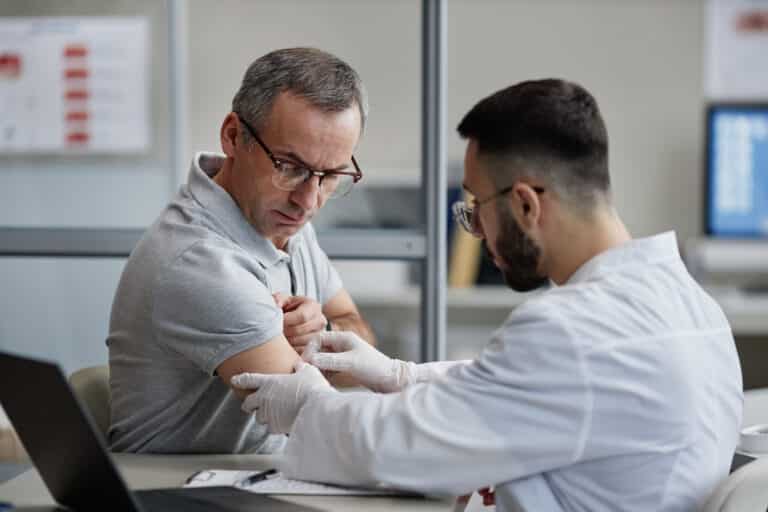
If you are noticing several of these changes at once, a testosterone blood test is the best way to confirm it.
What Causes Low Testosterone Levels?
Many factors can lead to low testosterone. According to NIH Health Topics (2024) and endocrine research:
- Aging: natural decline usually begins after age 30
- Obesity: excess body fat converts testosterone into estrogen
- Chronic stress: elevated cortisol suppresses testosterone
- Sleep deprivation: most testosterone is produced during deep sleep
- Sedentary lifestyle: lack of exercise reduces hormonal stimulation
- Certain medications: opioids and steroids may interfere with hormone production
- Underlying conditions: diabetes, thyroid disorders, or testicular injury
When Should You Get Tested for Low Testosterone?
If symptoms persist for more than a few weeks, schedule a blood test. Testing is usually recommended if you experience:
- Persistent fatigue and low libido
- Noticeable loss of strength or endurance
- Depression, irritability, or poor sleep
- Unexplained weight gain
Doctors typically perform a morning blood test, when testosterone levels are highest, to measure total and free testosterone.

How Can You Increase Testosterone Levels Naturally?
Natural methods can help restore hormonal balance before considering medical treatment.
Lifestyle Habits That Help Boost Hormone Balance
Research from PubMed Central (2021) and Healthline (2023) highlights several proven strategies:
- Exercise regularly, especially resistance training and HIIT
- Eat nutrient-dense foods rich in zinc, magnesium, and healthy fats such as fish, eggs, nuts, and olive oil
- Maintain a healthy weight to reduce estrogen conversion
- Sleep 7 to 9 hours per night to optimize hormone production
- Manage stress through meditation or deep-breathing exercises
- Limit alcohol and quit smoking
When to Consider Medical Treatment (TRT)
If lifestyle adjustments do not restore your levels and blood tests confirm deficiency, Testosterone Replacement Therapy (TRT) may be the next step.
Explore Testosterone Replacement Therapy: How It Works and Its Benefits to learn how TRT can safely help rebalance your hormones and improve quality of life.
When blood tests confirm testosterone deficiency, Testosterone Replacement Therapy (TRT) is a medically supervised treatment option that our doctors tailor to each patient’s hormone profile and health goals.
Why Is It Important to Treat Low Testosterone Early?
Leaving low testosterone untreated can increase risks of:
- Decreased bone density
- Reduced muscle mass and physical performance
- Chronic fatigue and mood disorders
- Metabolic issues such as insulin resistance and weight gain
Early treatment helps prevent long-term complications and allows you to maintain energy, focus, and emotional health.
Where Can You Get Testosterone Testing in Bangkok?
You can have a confidential testosterone blood test in Bangkok at medical laboratories or hormone-specialized clinics.
At H.U.M. Clinic, testing is private, accurate, and overseen by doctors specializing in hormone and men’s health management.
Results are usually available the same day so you can make informed decisions about your next steps.
FAQs – Common Questions About Low Testosterone
What are the first warning signs of low testosterone?
Low energy, low sex drive, and unexplained fatigue are often the earliest signs. You may also notice mood swings or reduced motivation.
Can stress or sleep affect testosterone levels?
Yes. Chronic stress increases cortisol, which blocks testosterone production, while poor sleep lowers the amount of hormone released overnight (American Heart Association, 2023).
Is TRT safe for long-term use?
When prescribed and monitored by experienced medical professionals, TRT can be safe and effective. Regular follow-ups and blood tests are essential to adjust dosage and prevent side effects (PubMed Central, 2021).
Taking the First Step Toward Better Hormone Health
Low testosterone does not have to limit your quality of life.
With early testing, healthy habits, and when necessary, medical treatment, you can restore balance, strength, and confidence.
If you suspect low testosterone, talk to a qualified doctor or visit H.U.M. Clinic Bangkok for professional guidance and discreet testing.
References
- U.S. National Library of Medicine – MedlinePlus. (2023). Testosterone Test
- National Institutes of Health (NIH) – Health Topics. (2024). Testosterone and Men’s Health
- PubMed Central (PMC). (2021). Effects of Resistance Training and Lifestyle Factors on Testosterone in Men: A Meta-Analysis.
- Healthline. (2023). 8 Proven Ways to Increase Testosterone Levels Naturally
5. American Heart Association. (2023). Managing Stress for a Healthier Lifestyle

Wichakorn Jitpraphun, M.D. (Dr. Kamin) is the Co-founder and Medical Director of H.U.M. Clinic, Bangkok. A physician licensed by the Medical Council of Thailand (License No. 51754), he has over 10 years of clinical experience, practicing since 2016. Dr. Kamin holds Certificate Diplomas in Sexual Medicine and Sexology from Thammasat University and Andrology certification from the Society of Men’s Health Singapore. His clinical practice focuses on testosterone replacement therapy (TRT), Men’s health, sexual medicine, HIV prevention and treatment, peptide therapy, and evidence-based medical weight management.