Table of contents
Testosterone Replacement Therapy (TRT) helps men regain energy, muscle strength, and vitality.
However, one possible side effect of long-term TRT is an increase in red blood cell count, known as polycythemia or erythrocytosis.
At H.U.M. Clinic Bangkok, our TRT programs include routine hematology monitoring and hematologist-supervised management, including therapeutic phlebotomy (blood letting) when necessary — ensuring your hormone therapy remains safe, balanced, and effective.
Why TRT Can Increase Red Blood Cells
Testosterone naturally stimulates erythropoietin (EPO) production in the kidneys, which signals the bone marrow to produce more red blood cells.
While this improves oxygen delivery and stamina, excessive elevation of hematocrit (Hct) can make blood thicker — slightly increasing the risk of:
- Headache or facial flushing
- Fatigue or dizziness
- High blood pressure
- Blood clotting in severe cases
This is why every TRT program must include regular blood tests to monitor hemoglobin and hematocrit levels.
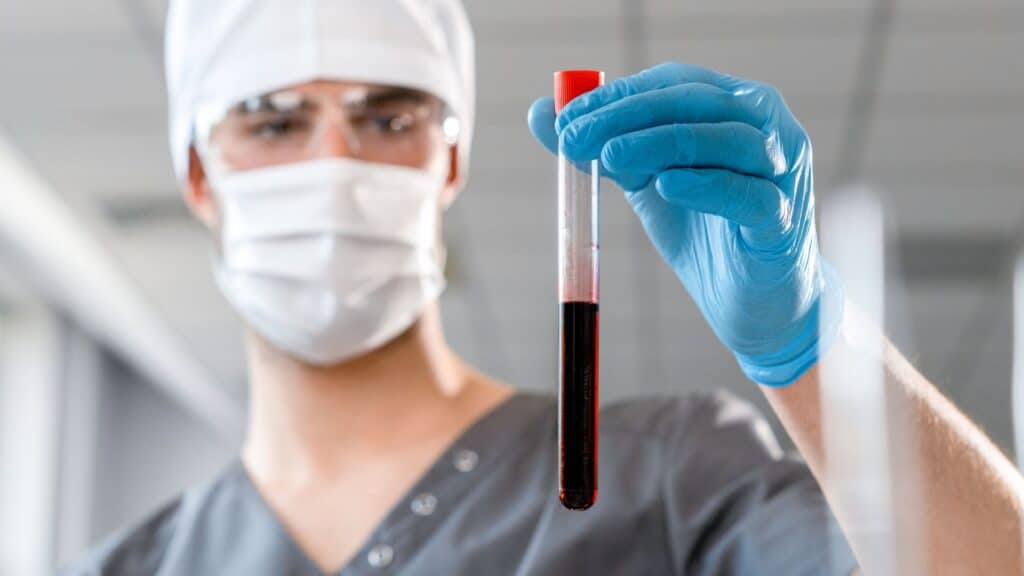
What Is Polycythemia?
Polycythemia refers to hematocrit levels above the normal range (generally >50% in men).
Mild elevations are common and manageable, but persistent or significant increases require medical evaluation and correction.
At H.U.M. Clinic, polycythemia is managed proactively, not reactively — by identifying trends early through follow-up testing.
How We Manage High Hematocrit During TRT
Our TRT protocol follows international safety standards and includes hematologist consultation when needed.
1. Blood Test Monitoring
Routine hematology is performed at baseline, 6–8 weeks after starting TRT, and then every 3–6 months.
We measure:
- Hemoglobin (Hb)
- Hematocrit (Hct)
- Ferritin and Iron levels (to evaluate iron stores post-phlebotomy)
2. Adjusting Testosterone Dose or Frequency
If hematocrit rises, your doctor may slightly modify the injection dose or interval to maintain safe levels without reducing therapeutic benefit.
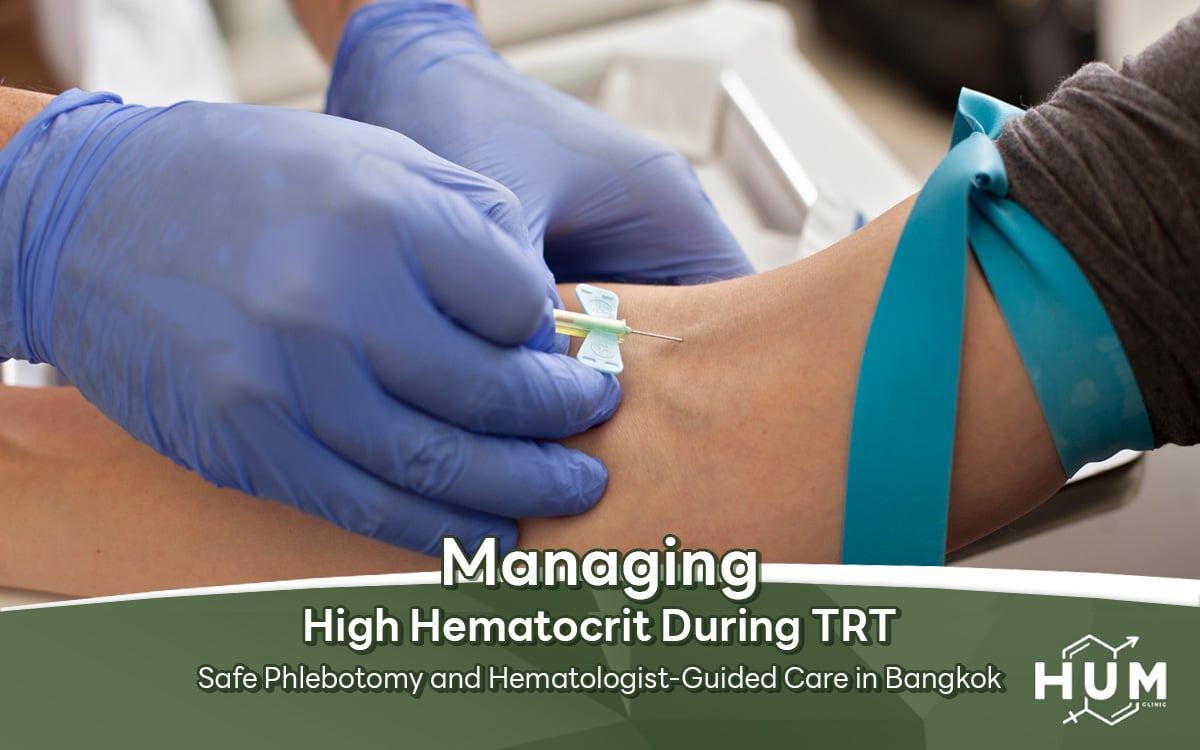
3. Therapeutic Phlebotomy (Blood Letting)
When hematocrit exceeds safe thresholds, phlebotomy is the most effective and immediate way to normalize red blood cell concentration.
- Conducted under sterile and professional conditions
- Typically involves removing 300-350 mL of blood per session
- Rapidly reduces blood viscosity and improves circulation
4. Hydration and Lifestyle Support
Adequate water intake, avoidance of dehydration, and moderate exercise further help maintain healthy hematocrit.

Hematologist-Supervised Care at H.U.M. Clinic Bangkok
Unlike most general clinics, H.U.M. Clinic Bangkok provides TRT under multidisciplinary care — every patient with elevated hematocrit or complex blood results is reviewed by a board-certified hematologist.
This ensures:
- Accurate diagnosis (polycythemia vera vs. secondary erythrocytosis)
- Proper management plan (phlebotomy, iron balance, or TRT adjustment)
- Safety during and after each blood-letting procedure
Your TRT program is never one-size-fits-all — it’s continuously refined through laboratory data and hematology expertise.
Prevention Is Better Than Correction
Most TRT-related hematocrit increases are preventable with regular monitoring and hydration.
Our goal is not just to treat complications, but to anticipate and prevent them — keeping your blood healthy and your testosterone levels optimized long term.
Book a Safe TRT and Hematology Consultation
📍 Location: H.U.M. Clinic Bangkok – LG Floor, Exchange Tower, BTS Asok & MRT Sukhumvit, Sukhumvit Road, Khlong Toei
🕒 Open: 9:30 AM – 1:00 PM, 2:00 PM – 6:30 PM
📞 LINE / Call: LINE / tel:+66989832949
🌐 www.hum-clinic.com

Wichakorn Jitpraphun, M.D. (Dr. Kamin) is the Co-founder and Medical Director of H.U.M. Clinic, Bangkok. A physician licensed by the Medical Council of Thailand (License No. 51754), he has over 10 years of clinical experience, practicing since 2016. Dr. Kamin holds Certificate Diplomas in Sexual Medicine and Sexology from Thammasat University and Andrology certification from the Society of Men’s Health Singapore. His clinical practice focuses on testosterone replacement therapy (TRT), Men’s health, sexual medicine, HIV prevention and treatment, peptide therapy, and evidence-based medical weight management.