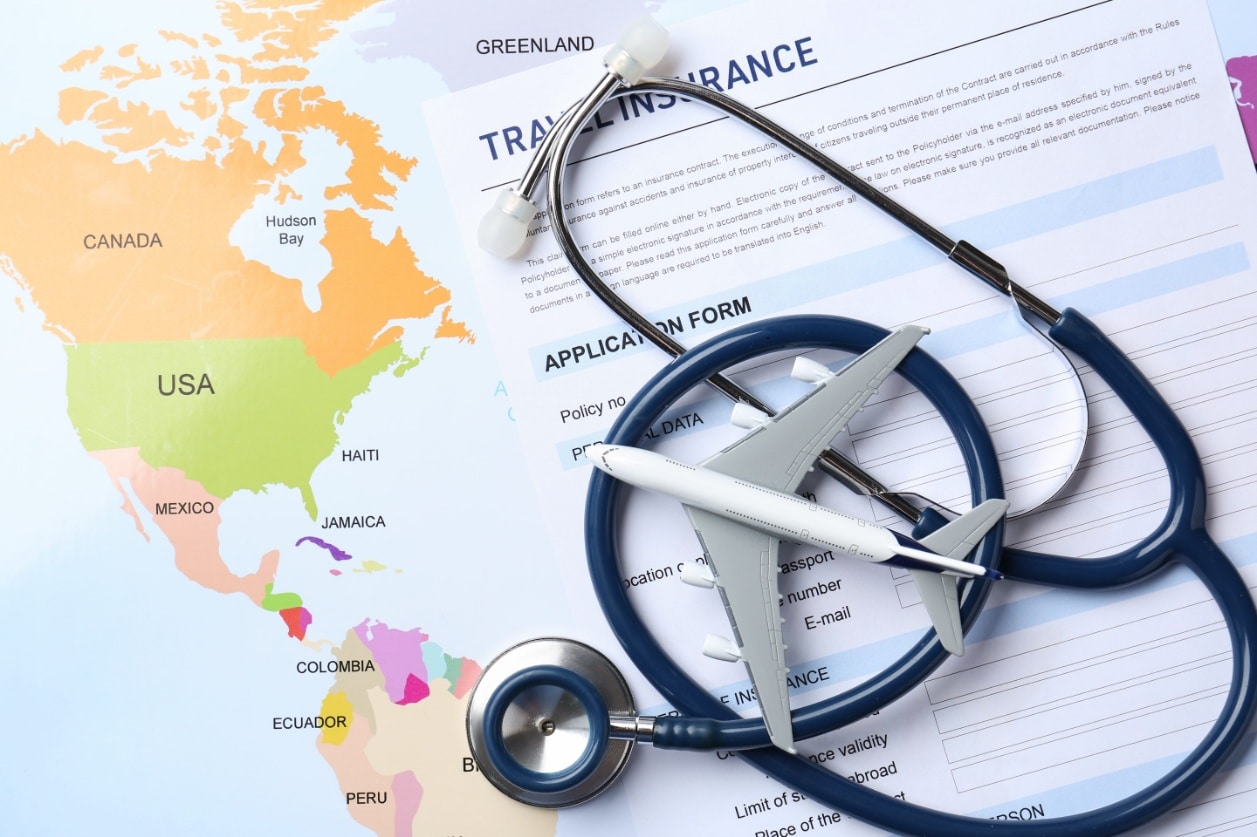
Key Takeaways
- Thailand ranks among the world's most trusted destinations for international patients, offering accredited hospitals, experienced doctors, and treatment costs well below Western prices.
- Procedures in Thailand are often 30 to 70% cheaper than equivalent care in Western countries, without compromising on clinical standards.
- Bangkok leads as the country's main medical hub, with easy international access, English-speaking doctors, and clinics designed to serve foreign patients from consultation through follow-up.
- Hormone health is a growing reason patients seek care in Bangkok, and a proper diagnosis depends on confirmed blood tests and symptoms rather than age alone.
- Structured programs for ongoing treatments like Testosterone Replacement Therapy make Bangkok a practical option for both residents and returning visitors who need continuous care.
Table of contents
Thailand receives over a million international patients every year, and the reasons go beyond cost. The country’s private healthcare system consistently delivers high clinical standards across a wide range of specialties, from complex surgical procedures to long-term treatment programs, all at a fraction of what patients would pay in Western countries.
That combination of quality, affordability, and a well-established infrastructure for foreign patients is what has made medical tourism in Thailand one of the most credible options for anyone seeking care outside their home country.
What Is Medical Tourism?
Medical tourism refers to traveling to another country to receive medical care, often combining treatment with a stay abroad. The scope is broad, covering elective surgery, dental procedures, fertility treatment, wellness programs, and hormone therapy.
Patients are drawn to it for several reasons. Lower treatment costs are the most common motivator, but access to specialists with shorter waiting times and the availability of procedures not offered in a patient’s home country also play a significant role.
Among global destinations, Thailand ranks alongside Singapore, Malaysia, and India as one of the most established. Its advantage lies in the depth of its healthcare infrastructure: hospitals that meet international accreditation standards, doctors trained at leading institutions worldwide, and a system built to accommodate foreign patients at every stage of the care pathway.
How Medical Tourism Works
Understanding how medical tourism works begins with the patient journey, which typically follows a structured sequence rather than a single appointment.
The process generally involves three stages:
- Research and consultation: Patients contact clinics remotely to share their medical history and confirm that their intended treatment is available and appropriate. Most international-facing clinics offer initial consultations via email, messaging apps, or video calls well before a patient travels.
- Booking, travel, and treatment: Once a treatment plan is agreed upon, patients arrange travel and accommodation. Many clinics provide logistical support, including English-speaking coordinators and guidance on nearby hotels, particularly in Bangkok where major hospitals are concentrated near central transport links.
- Follow-up and ongoing care: Recovery, laboratory reviews, and medication adjustments often continue beyond the initial visit. For treatments that require ongoing monitoring, selecting a clinic with a structured follow-up program is essential to maintaining the treatment outcome.
The quality of follow-up care is often what separates a successful medical trip from one that delivers only short-term results.
Why Patients Choose Thailand
Thailand’s private healthcare system has built its international reputation through sustained investment in facilities, doctor training, and patient safety. That commitment is reflected in the number of hospitals and clinics that hold Joint Commission International accreditation, a recognized global benchmark for clinical and safety standards that gives international patients confidence before they arrive.
The demand confirms the reputation. Thailand medical tourism statistics show consistent patient flows from Western expats, neighboring countries, and the Middle East, and Thailand medical tourism statistics for 2025 indicate that trajectory is continuing. The Tourism Authority of Thailand is projecting 125 billion baht in health tourism revenue, backed by active campaigns to attract international patients across key markets.
Bangkok sits at the center of this growth. The city combines direct international flights, a concentration of specialist clinics, and a dedicated medical visa category for patients who need extended treatment. That infrastructure makes it particularly practical for individuals seeking ongoing care, where accessibility and specialist depth matter more than a single visit.
Medical Tourism Thailand Cost: What to Expect
Cost remains the primary driver for international patients. According to the Tourism Authority of Thailand, procedures are often 30 to 70% lower than equivalent treatment in Western countries. This cost advantage applies across a broad range of services, from dental care and cardiac procedures to specialist consultations and ongoing treatment programs.
Importantly, the lower price does not indicate a lower standard of care. Many clinics in Bangkok use modern equipment, follow international protocols, and are staffed by doctors who trained in Europe, the US, or Australia. The cost difference is driven by lower operating expenses and a favorable exchange rate rather than a reduction in clinical quality.
Patients benefit from planning with the total cost in mind, as travel, accommodation, and follow-up appointments all contribute to the overall figure. For treatments involving ongoing prescriptions, medications in Thailand are often considerably cheaper than in Western countries, with full medical supervision included.
Hormone Therapy and Testosterone Replacement Therapy (TRT) for Medical Travelers
Hormone health has become one of the more common reasons expats and international visitors seek specialist care in Bangkok, particularly men experiencing persistent fatigue, low mood, reduced motivation, or changes in body composition. These symptoms are often treatable, but many patients find they go unaddressed at home due to limited specialist access or lengthy referral pathways, which is part of what makes Bangkok an appealing alternative.
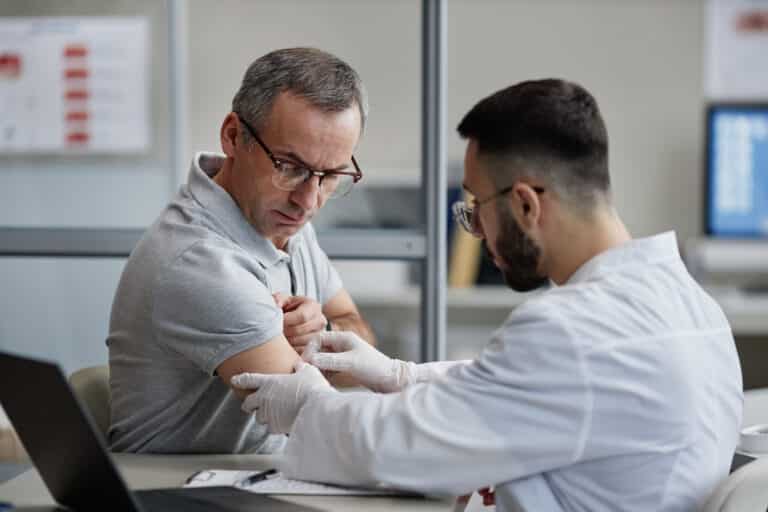
Before any treatment begins, however, a proper clinical assessment is essential. Determining when to start hormone replacement therapy is not a decision based on age or symptoms alone. Published clinical guidelines recommend that testosterone deficiency be diagnosed only after at least two morning blood tests confirm low levels, alongside consistent clinical symptoms. A responsible clinic will conduct those tests, review the patient’s full medical history, and establish a clear monitoring plan before initiating any treatment.
That level of clinical structure is also what makes Testosterone Replacement Therapy practical for medical travelers. TRT is not a single prescription but an ongoing program of dose adjustment and clinical review, and Bangkok’s specialist clinics are set up to provide exactly that continuity, whether a patient resides in the city full-time or returns periodically for follow-up.

A Growing Destination for Specialist Care
Thailand’s healthcare sector continues to attract international patients for good reason, and those same strengths in clinical quality, accessibility, and affordability are now drawing a growing number of patients specifically for hormone health. For men considering Testosterone Replacement Therapy, Bangkok offers the kind of structured, ongoing care that can be difficult to access elsewhere.
H.U.M. Clinic is one such option, providing Testosterone Replacement Therapy in Bangkok through English-speaking doctors who conduct a full hormone assessment, review your medical history, and monitor your progress with structured follow-up at every stage of treatment.
Book your consultation at H.U.M. Clinic Bangkok today via LINE, WhatsApp, phone at 098 983 2949, or email at [email protected].
References
- TAT promotes medical tourism to attract Middle Eastern high-net-worth travelers, targeting 125-billion-baht revenue in 2026. Retrieved 15 July 2026, from https://www.nationthailand.com/news/tourism/40056950
- The Optimal Indication for Testosterone Replacement Therapy in Late Onset Hypogonadism. Retrieved 15 July 2026, from https://pmc.ncbi.nlm.nih.gov/articles/PMC6406807/
- Exploring the Landscape of Medical Tourism in Thailand 2025. Retrieved 15 July 2026, from https://bangkokhealthservice.com/exploring-the-landscape-of-medical-tourism-in-thailand/
- Medicine in Thailand for Foreigners 2025. Retrieved 15 July 2026, from https://visitworld.today/blog/831/medical-and-recreational-tourism-in-thailand-a-guide-with-tips-for-foreigners
Frequently Asked Questions About Medical Tourism in Thailand
What is medical tourism and why do people choose Thailand?
Medical tourism is traveling to another country to receive medical treatment. Patients choose Thailand for its internationally accredited hospitals, experienced doctors, and treatment costs that are 30 to 70% lower than in the US, UK, or Australia. Bangkok is the country’s main hub, with specialist clinics that serve international patients across a wide range of services.
How much does medical tourism in Thailand cost compared to Western countries?
Most procedures in Thailand cost 30 to 70% less than equivalent treatment in Western countries, according to the Tourism Authority of Thailand. The total cost includes treatment, travel, accommodation, and follow-up, so planning with the full picture gives a more accurate comparison than looking at the procedure price alone.
What should I look for when choosing a clinic for medical tourism in Thailand?
Look for international accreditation such as JCI certification, English-speaking medical staff, transparent pricing, and a clear follow-up process. For treatments that require ongoing care, like hormone therapy, choose a clinic that includes structured monitoring as part of the program rather than offering a single consultation.

Wichakorn Jitpraphun, M.D. (Dr. Kamin) is the Co-founder and Medical Director of H.U.M. Clinic, Bangkok. A physician licensed by the Medical Council of Thailand (License No. 51754), he has over 10 years of clinical experience, practicing since 2016. Dr. Kamin holds Certificate Diplomas in Sexual Medicine and Sexology from Thammasat University and Andrology certification from the Society of Men’s Health Singapore. His clinical practice focuses on testosterone replacement therapy (TRT), Men’s health, sexual medicine, HIV prevention and treatment, peptide therapy, and evidence-based medical weight management.