Table of contents
Testosterone plays a central role in how your body manages fat, builds muscle, and maintains overall metabolic health. When levels drop, many men begin to experience weight gain, reduced strength, slower metabolism, and a noticeable change in body composition. This is especially common among men in their 30s, 40s, 50s, and beyond. Understanding this connection can help you protect your long-term health and determine whether lifestyle changes or medical treatment may be needed.
What Is the Link Between Testosterone and Body Composition?
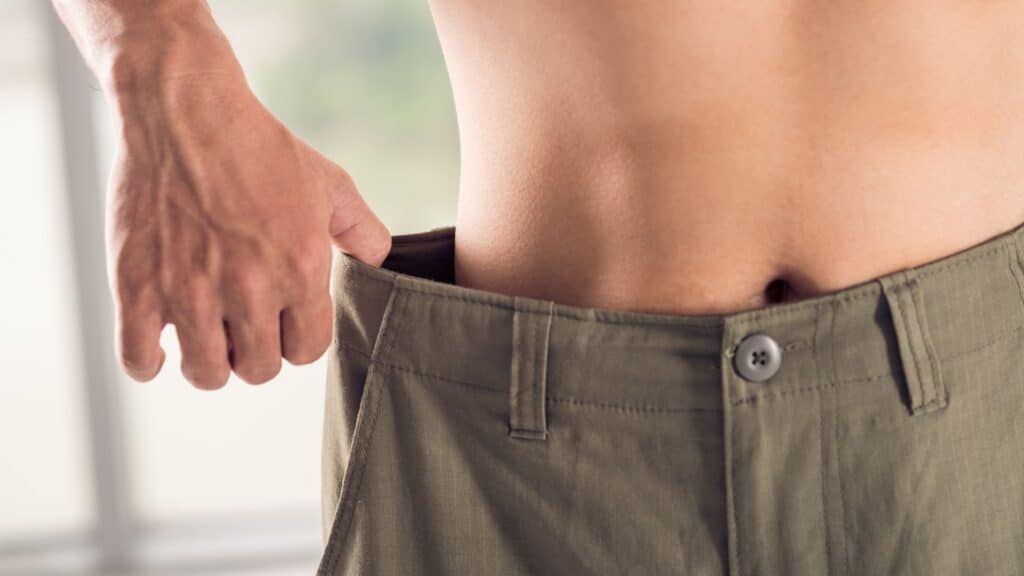
Testosterone is one of the most influential hormones for regulating body composition. It helps your body maintain lean muscle mass, supports healthy fat distribution, and enhances metabolic efficiency. When testosterone levels decline, your ability to build muscle decreases and your body becomes more prone to storing fat, particularly around the abdomen.
Studies consistently show that men with healthy testosterone levels tend to have lower body fat and higher muscle mass compared to men with low testosterone.
How Does Low Testosterone Lead to Weight Gain?
When testosterone falls, your body undergoes several changes that make weight management more difficult.
Changes in Fat Distribution
Low testosterone increases the activity of enzymes that convert calories into stored fat and reduces the body’s ability to burn fat efficiently. Men often notice more:
- Belly fat
- Love handles
- Visceral fat around internal organs
This type of fat is strongly linked to metabolic issues, insulin resistance, and slower calorie-burning capacity.
Loss of Muscle Mass
Muscle tissue burns more calories at rest than fat. So when testosterone drops and muscle mass declines, your metabolism slows down. This means:
- You burn fewer calories daily
- Weight gain becomes easier
- Fat continues to accumulate even if diet and exercise stay the same
This phenomenon is known as sarcopenic weight gain and is extremely common among aging men.

Can Boosting Testosterone Help You Lose Weight?
For many men, restoring testosterone to normal levels can significantly improve body composition, reduce fat mass, and increase muscle strength.
How Hormone Balance Affects Metabolism
Healthy testosterone levels help your body:
- Burn fat more efficiently
- Improve insulin sensitivity
- Increase calorie expenditure
- Maintain stable energy throughout the day
In clinical studies, men with normalized testosterone often show higher metabolic rates and reductions in waist circumference, even without major lifestyle changes].
The Role of Testosterone in Muscle Growth
Testosterone activates muscle protein synthesis, which is essential for building and maintaining lean mass. Increased lean mass leads to:
- More calories burned at rest
- Improved strength
- Better athletic performance
This is also why many men feel more motivated and energetic once their hormone levels are balanced.
What Are the Signs That Hormonal Imbalance Is Affecting Your Weight?
You may be experiencing weight-related symptoms of low testosterone if you notice:
- Increasing belly fat
- Difficulty losing weight despite diet and exercise
- Reduced strength or endurance
- Muscle sagging or softness
- Chronic fatigue and low motivation
- Slower metabolism
- Increased cravings or emotional eating
If several of these signs appear together, it may be time to check your testosterone levels through a proper hormonal evaluation.

How to Naturally Support Healthy Testosterone Levels
Before considering treatment, there are natural ways to support hormone balance.
Exercise and Nutrition
- Strength training helps stimulate natural testosterone production
- High-protein diets support muscle growth and fat loss
- Healthy fats (olive oil, eggs, avocado) improve hormone synthesis
- Adequate zinc and vitamin D play a crucial role in testosterone function
Research shows that men who engage in resistance training 3–4 times weekly experience measurable improvements in hormone levels and body composition.
Stress and Sleep Management
Stress increases cortisol, which directly lowers testosterone. Poor sleep also disrupts hormonal regulation. Improving sleep quality and reducing chronic stress can noticeably improve energy, appetite control, and metabolism.
When Should You Consider Testosterone Replacement Therapy (TRT)?
You may benefit from TRT if:
- You have persistent symptoms of hormonal imbalance
- Blood tests show clinically low testosterone
- Lifestyle changes alone aren’t helping
- Weight gain continues despite effort
- You experience reduced strength, stamina, or muscle mass
TRT can help restore hormone levels to a healthy range, supporting both fat loss and muscle development. If you’re considering treatment, you can learn more here:
TRT Clinic Bangkok
Where Can You Get Testosterone and Weight Management Consultation in Bangkok?
If you want to assess whether hormonal imbalance affects your weight, consider full hormone testing with a licensed medical provider. At H.U.M. Clinic, foreign patients can undergo comprehensive testing and receive a personalized treatment plan based on lifestyle, goals, and metabolic factors.
Learn more about: Testosterone Testing in Bangkok
FAQs – People Also Ask About Testosterone and Weight
Does TRT help burn fat?
Yes. TRT has been shown to reduce fat mass, especially abdominal fat, while improving muscle composition and metabolism.
Can low testosterone cause belly fat?
Absolutely. Belly fat is one of the most common symptoms of chronically low testosterone due to changes in fat distribution and slowed metabolism.
How long does it take to see body composition changes after TRT?
Most men notice improvements in energy and fat reduction within 4 to 8 weeks, with significant muscle and strength changes developing over 3 to 6 months.
References
Forbes, G.B. “The effect of testosterone on body composition.” J Clin Endocrinol Metab.
Saad, F. “Low Testosterone and Visceral Obesity.” Aging Male.
Corona, G. “Testosterone and Metabolic Syndrome.” J Endocrinol Invest.
Kraemer, W.J. “Resistance Training and Hormonal Response.” Sports Medicine.

Provides diverse medical services, specializing in male hormone treatment, sexual health, and general practice care. He is dedicated to delivering comprehensive care for international patients, addressing physical, emotional, and mental health needs.