
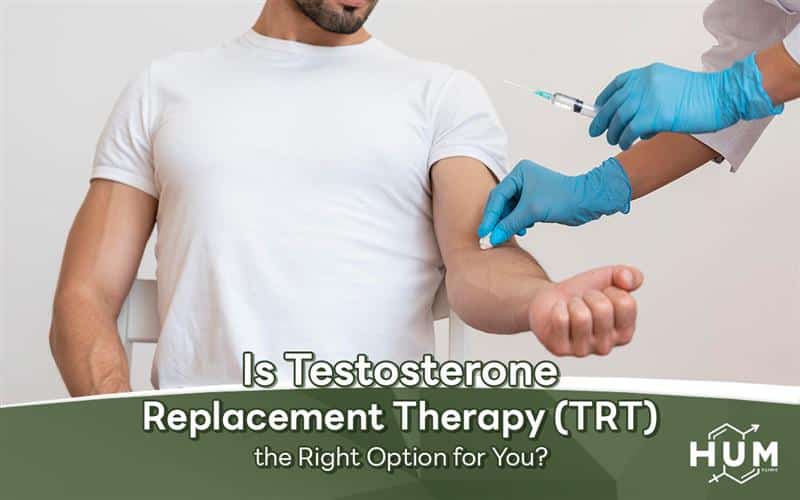
Is Testosterone Replacement Therapy (TRT) the Right Option for You?
Table of contents
If you’re researching Testosterone Bangkok treatments, you’ve probably come across Testosterone Replacement Therapy (TRT) as a potential solution. It’s one of the most effective ways to restore hormone balance, improve energy, and enhance overall quality of life for men dealing with low testosterone.
But the question is: Is TRT the right choice for you? Let’s explore the different types of therapy available in Bangkok, their benefits, potential side effects, and considerations to help you make an informed decision.
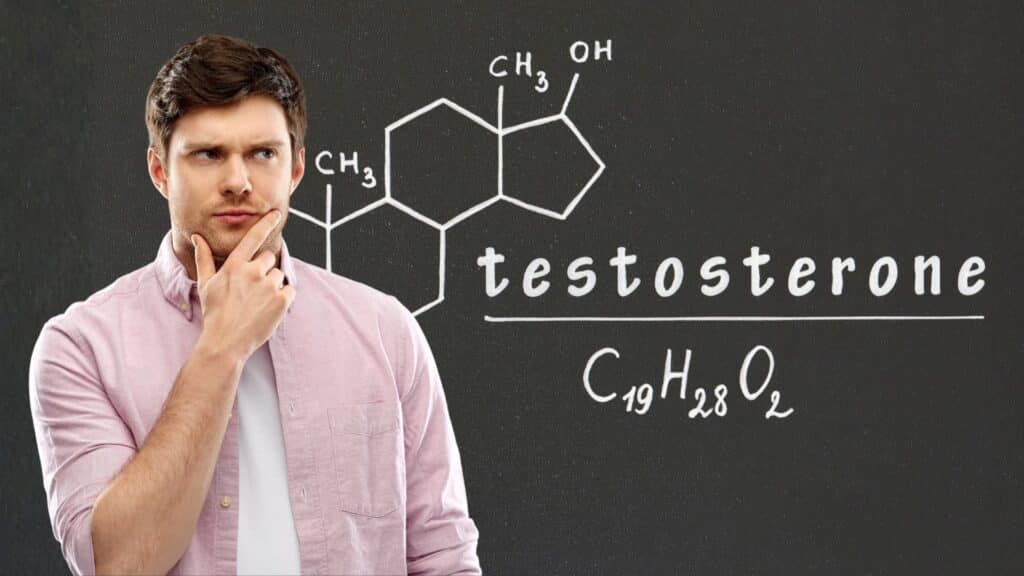
Exploring Testosterone Therapy: What Are Your Options?
In Thailand, the most common forms of Testosterone Replacement Therapy Bangkok clinics currently provide are injections and gels. While patches are used in some countries, they are not yet widely available in Bangkok.
How Do Testosterone Injections Work and What Are the Benefits?
Testosterone Injection Bangkok services are among the most popular choices because they deliver quick, reliable results.
- How they work: Testosterone can be injected either directly into the muscle (intramuscular, usually the thigh or glute) or into the subcutaneous fat layer (just under the skin, often in the abdomen or thigh). Both methods allow testosterone to be absorbed steadily into the bloodstream. Dosage and frequency are tailored to your needs by your doctor.
- Benefits:
- Fast and noticeable improvements in energy, mood, and libido
- Helps rebuild muscle mass and bone density
- Typically more cost-effective than other TRT methods
- Fast and noticeable improvements in energy, mood, and libido
Things to consider: Testosterone levels may sometimes fluctuate between injections, which can cause changes in mood or energy. If this happens, the dosage or frequency can be adjusted, but it should always be done under the guidance of an experienced medical professional who can monitor your hormone levels and overall health.
Can Testosterone Gels Be a Better Option for You?
For men who prefer a needle-free approach, testosterone gel is one of the most widely used alternatives to injections in Thailand. It’s designed to be applied daily, making it an easy option for those who want steady hormone support without visiting the clinic for regular shots.
- Testosterone Gel: The gel is applied to clean, dry skin, typically on the shoulders, upper arms, or abdomen. Testosterone is absorbed gradually into the bloodstream, helping to maintain more stable levels throughout the day.
- Pros:
- Easy to use, maintains more stable hormone levels than injections.
Convenient and pain-free, no needles required - Provides a more consistent release of testosterone compared to injections
- Easy to self-administer at home without medical assistance
- Suitable for men who experience large fluctuations in hormone levels with injections
- Cons:
- Requires strict daily application at the same time each day to keep levels stable
- Skin-to-skin transfer is possible, so men must avoid close contact with partners or children until the gel dries completely
- May cause mild skin irritation in some users
Who it’s best for: Testosterone gel is often recommended for men who prefer consistent hormone levels, dislike needles, or travel frequently and need a discreet treatment option. It can also be suitable for those starting TRT for the first time, as it allows doctors to adjust dosages more easily.

Is testosterone therapy safe for older adults?
Yes, Testosterone Replacement Therapy Bangkok clinics do offer TRT for older adults, but it requires close monitoring by specialists. Risks may include:
- Prostate health: TRT can enlarge the prostate or mask early signs of prostate cancer.
- Cardiovascular concerns: Men with existing heart conditions need thorough evaluation before starting therapy.
- Blood health: TRT can increase red blood cell production, which may raise the risk of blood clots if not monitored.
With regular checkups and blood tests, TRT can be safe and effective for many men over 60.

What are the side effects of testosterone injections and how can they be managed?
Like any medical treatment, testosterone injections may cause side effects.
Common side effects include:
- Acne or oily skin
- Mood changes, irritability, or aggression
- Increased red blood cell count (polycythemia)
- Mild swelling in ankles or feet
- Possible impact on prostate health
- Sleep apnea – symptoms may worsen in individuals who already have this condition
- Gynecomastia (breast enlargement in men) – caused by testosterone converting into estrogen
- Infertility – injections suppress natural sperm production in the testes, leading to reduced sperm count
- Testicular shrinkage – the testes may become smaller because the body no longer needs to produce its own testosterone
- Changes in cholesterol levels – such as a reduction in HDL (“good” cholesterol)
- Male pattern hair loss – acceleration of hair thinning or baldness in genetically predisposed men
Management tips:
- Regular blood tests to monitor hormone and red blood cell levels
- Adjusting the dosage or injection schedule if levels are too high
- Switching to gels if side effects persist
Adjust the route of injection and frequency under medical supervision to reduce hormone fluctuations and minimize side effects
So, is TRT Right for You?
Testosterone Replacement Therapy is a proven way to restore hormone balance and improve quality of life for men with low testosterone. However, it’s not a one-size-fits-all solution. Age, health conditions, and lifestyle all play a role in whether TRT is the best option for you.
If you’re considering Testosterone Bangkok therapy, the best next step is to book a consultation with a qualified clinic. A specialist can check your hormone levels, discuss your goals, and recommend the most effective treatment — whether that’s injections or gels, tailored specifically to you.
References:
- Mayo Clinic. Testosterone therapy: Potential benefits and risks as you age.
- NHS. Testosterone replacement therapy (TRT).
- Harvard Health Publishing. Testosterone therapy: Is it safe?.
- Bhasin S, et al. (2018). Testosterone Therapy in Men with Hypogonadism: An Endocrine Society Clinical Practice Guideline. The Journal of Clinical Endocrinology & Metabolism, 103(5), 1715–1744.
- American Urological Association (AUA). Evaluation and Management of Testosterone Deficiency: AUA Guideline.

Provides diverse medical services, specializing in male hormone treatment, sexual health, and general practice care. He is dedicated to delivering comprehensive care for international patients, addressing physical, emotional, and mental health needs.